By Callaloo .
•
February 12, 2026
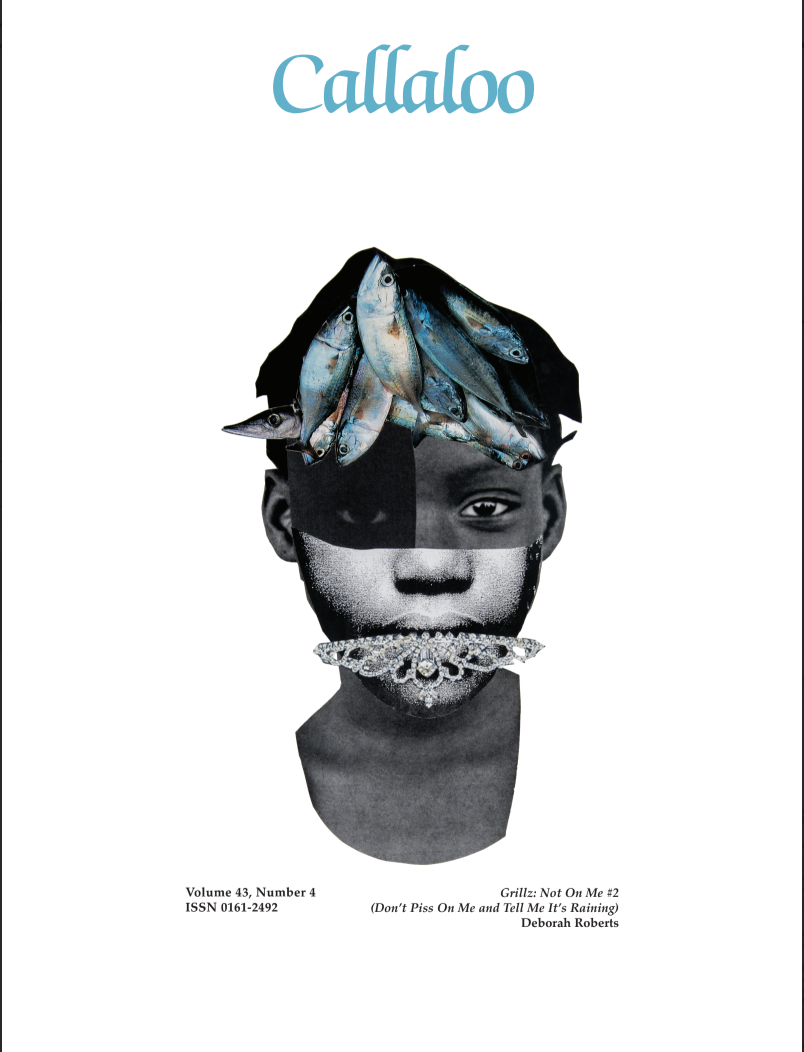
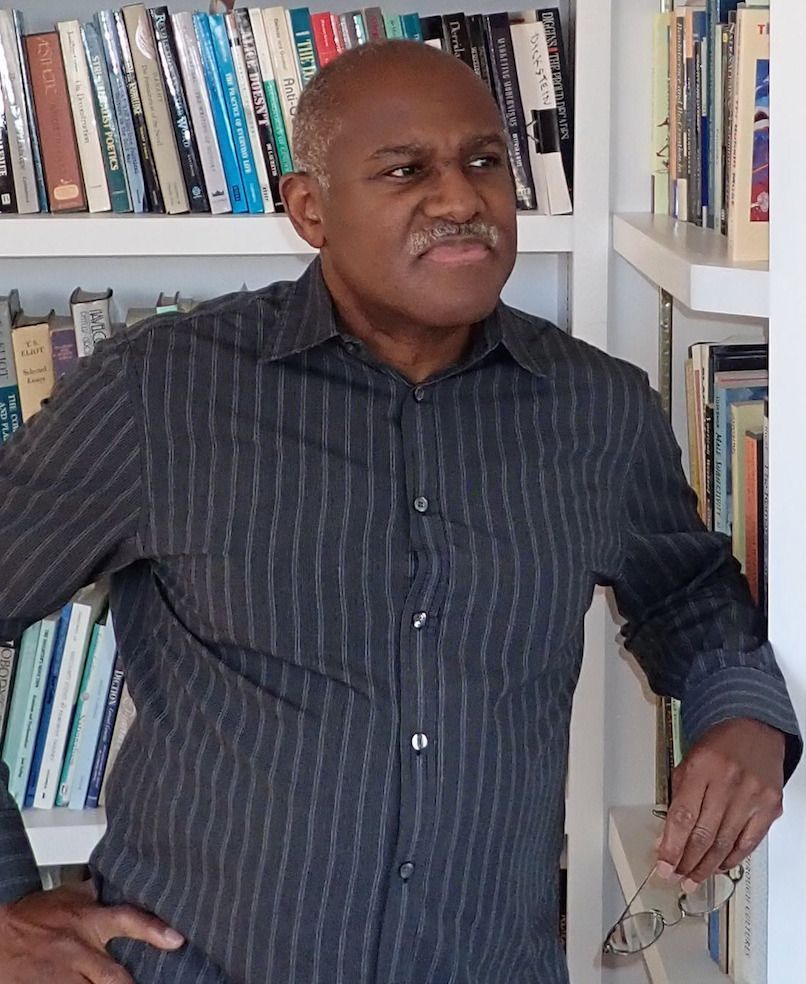
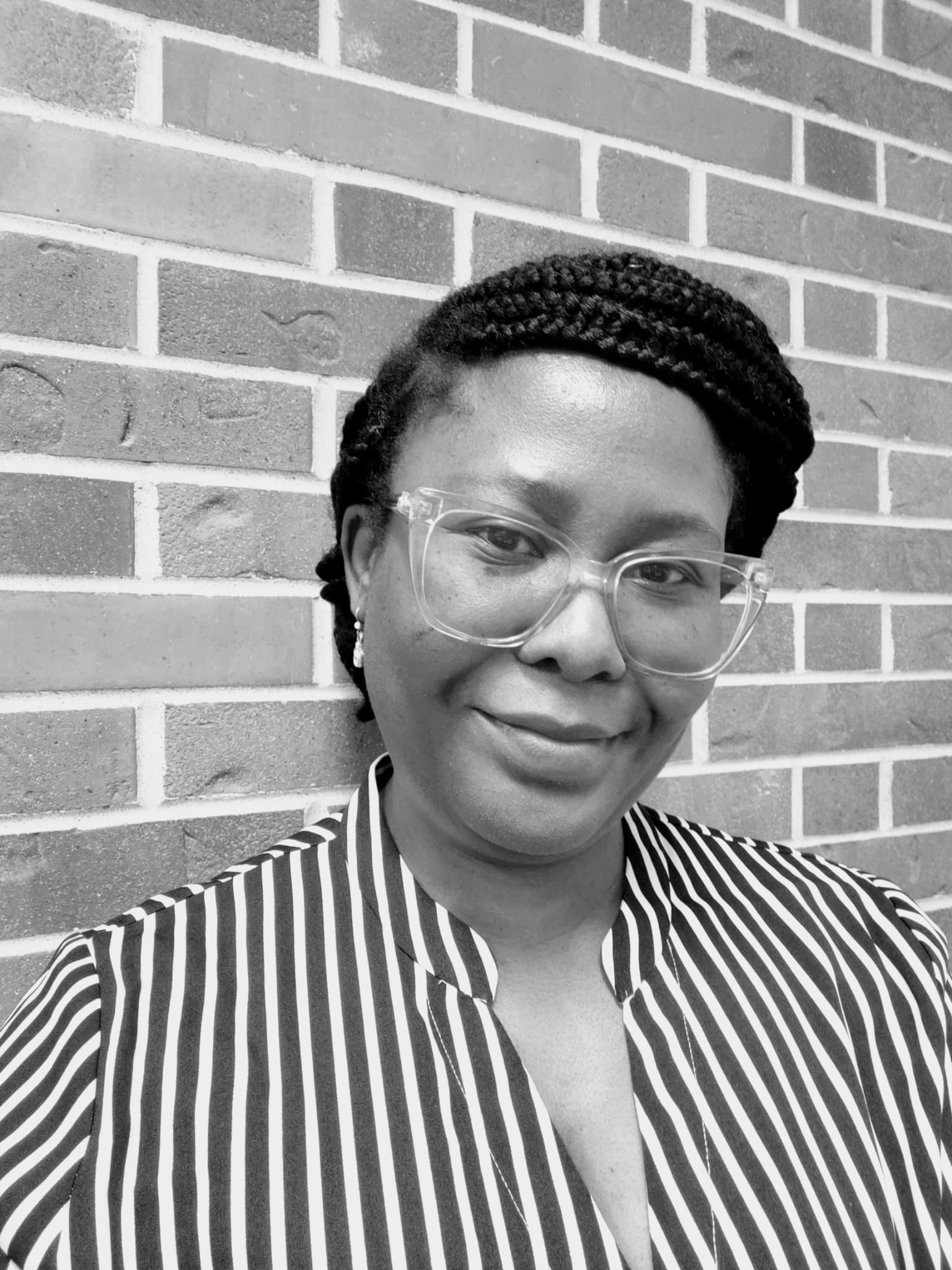
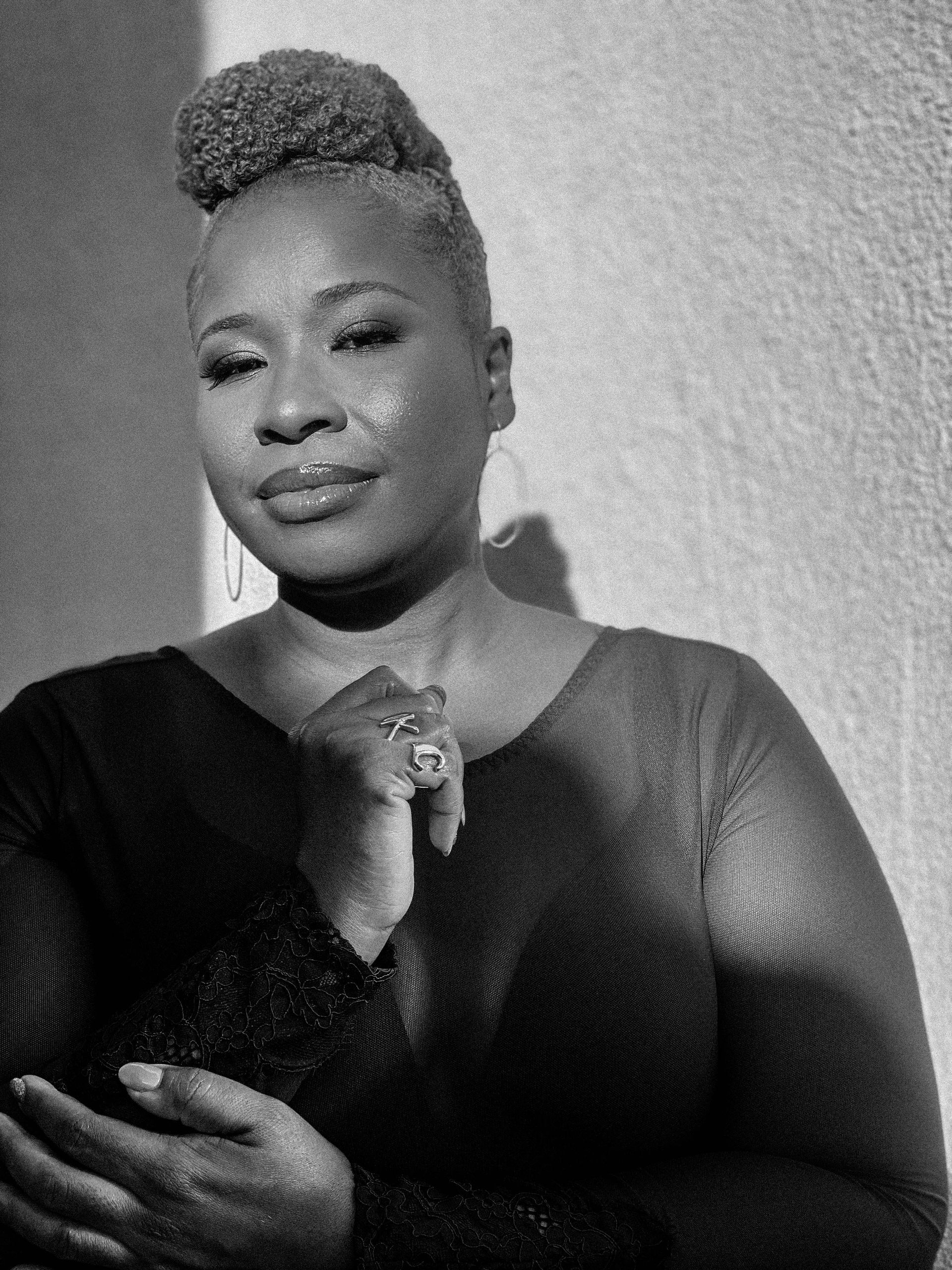
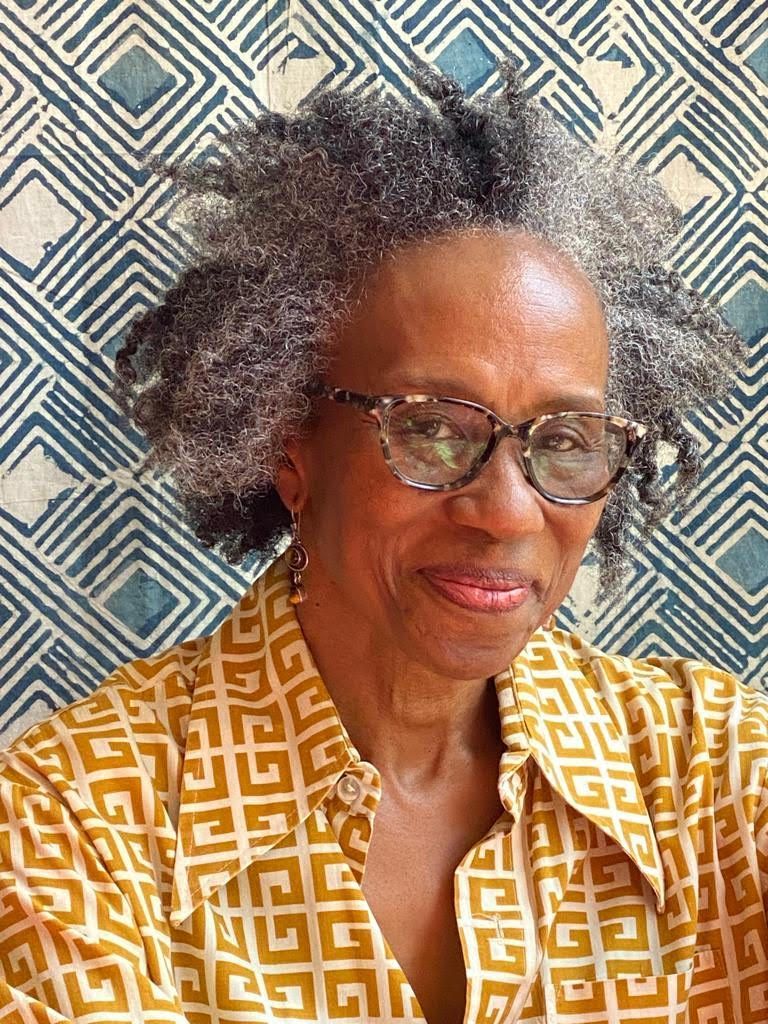
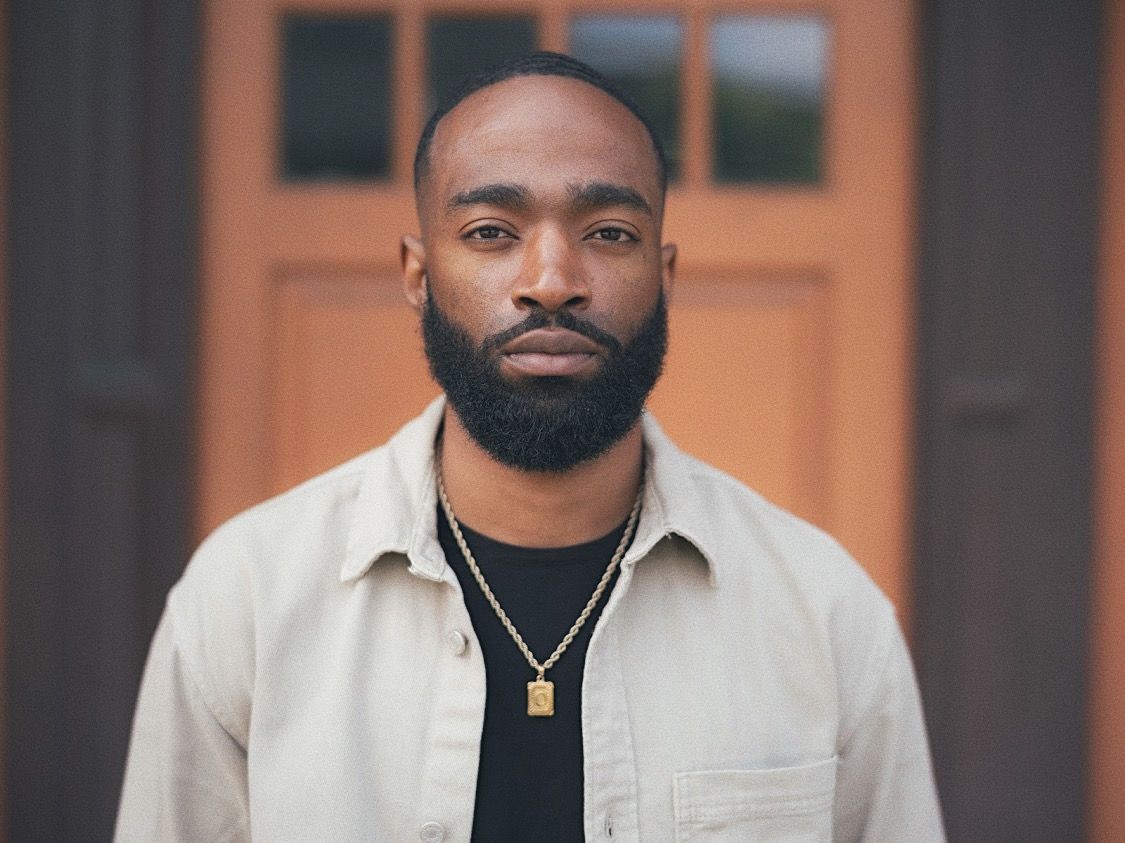
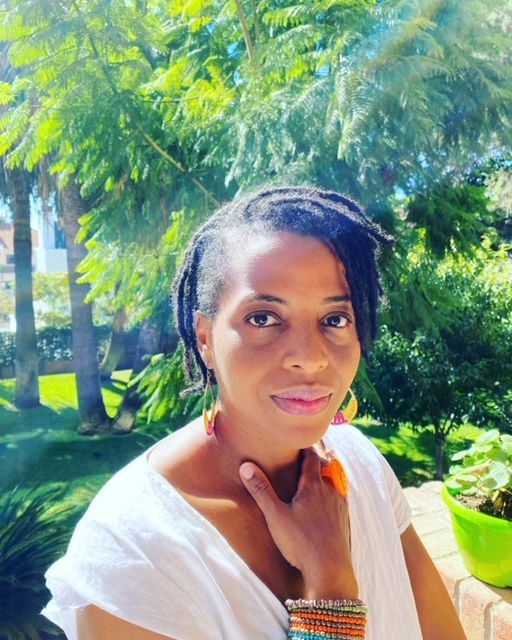
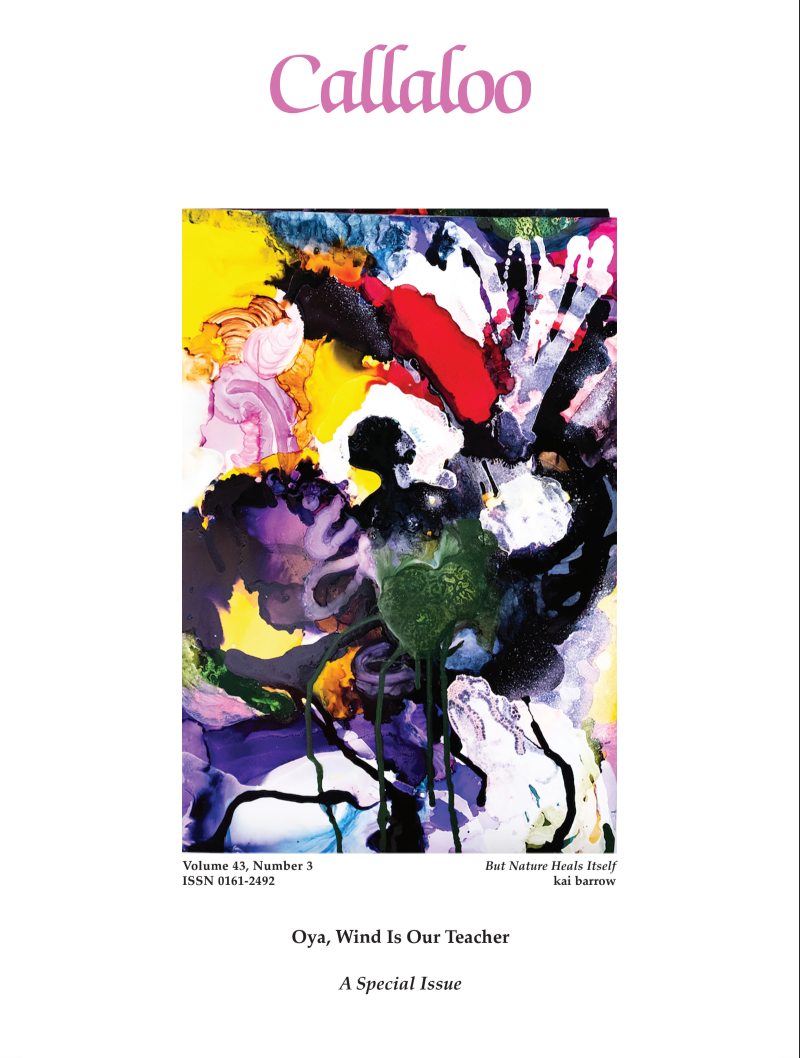
Callaloo Guest Editor: Omi Jones Omi Osun Joni L. Jones served as guest editor, along Edmund T. Gordon, and Celeste Henery, of the special section on the "The Austin School Black Studies Manifesto" in Callaloo 43.4 . What themes or messages do you hope readers take away from the special section on the the Austin School Black Studies Manifesto? I hope readers take away whatever they find useful in our contribution to Callaloo , and that that discovery fuels their imaginations. In my portions of this special section, I wanted to emphasize the need for creativity in all of its forms, and the complexities and Spiritual requirements of working deeply with others. Developing this contribution actually created a practice in what is needed to make work together. While Edmund T. Gordon and I seem to guide much that appears in this special section, Celeste Henery—Research Associate in the African and African Diaspora Studies Department at UT, and graduate of the Anthropology Diaspora Program—spent more than 40 hours in conversation with Ted and me, and was vital in uncovering the intellectual and political underpinnings of what is presented here. It was Celeste who helped identify the essential fertile ground of sociality and connection to something beyond the self that drove the work for many of us. All of this—along with months of behind-the-scenes communication with all of the contributors and the Callaloo staff—was generously offered up with much grace and dedication. This document could not have come together without Celeste’s wisdom, intelligence and Spirit. Can you share about how your creative journey or background led you to Callaloo ? I believe I first became aware of Callaloo in grad school when I was researching Black performing art forms. I respected the writers and visual artists I found on its pages, and it—along with Camille Billops and James Hatch’s Artist and Influence—gave me models for how writing might be understood as visual art. Juxtaposing essays and literature alongside visual expressions created a synergy among the forms that I strive to encourage in my work. What does being a part of Callaloo mean to you as a writer? Being represented in Callaloo puts me in the company of so many venerated and distinctive burgeoning creators. The journal’s commitment to the African diaspora is especially meaningful to me as I work to know Blackness across geographies and imposed political systems. It would be exciting if an African diasporic gathering occurred around the ideas in the special section, where so many might explore what role institution building holds during the sinkhole of late-stage capitalism and escalating environmental degradation. That could be electric, truly opening to the unknown! How does this work connect to the larger body of your creative practice? My creative practice continues to evolve with less emphasis on embodying work myself and more focus on writing fiction/creative non-fiction accompanied by engagement installations around that writing. I came to these explorations, in large measure, as a result of the saturation of possibilities launched during my experiences with Black Studies at UT. I want people to come together—across every divide—and dance, sweat, laugh, eat, plant, listen, nurture, and allow the impediments to Love to dissolve. So much inner and communal work is needed. Can we go there? This time seems ripe for that which has not been done before. Is there anything else you would like readers to know about your work or about you? As readers look at the special section of this Callaloo issue, I’d like them to know that the visual artists who are included have a long history with Black Studies at UT. Deborah Roberts, Minnie Marianne Miles, Michael Ray Charles, Tonya Engel and Daniel Alexander Jones each had work exhibited in the hallways and galleries of Black Studies—along with Moyo Okediji, Christopher Adejumo, Donna Bruton, Yasmin Hernandez, Shay Youngblood, Senalka McDonald and many others. Michael created the piece presented in Callaloo while sitting in a faculty meeting, and Tonya’s images were often used as the visual stamp for productions in the Performing Blackness Series. It is important that the special section honor those relationships and give readers a way into the world of Black Studies at UT beyond the stories and analyses in the essays. What inspired you to start writing in the first place? Libraries are like temples where acolytes come to bathe and practice becoming the luminaries we can all be! Verbal language can feel limited until the poet flows through you—and you create your own system! Perhaps, finding a way to put on the page page what visual artist Kaylynn Sullivan TwoTrees calls "vocables"—Spiritually guided sonic impulses. I fell in love with Gwendolyn Brooks in high school when I was on the competitive speech team. I found hidden away parts of myself when I discovered Maud Martha—a little Black girl trying to figure out who she was in a confounding world. Right there in a book! Gwendolyn Brooks—from my Chicago roots—made me see myself as valuable. From the opening chapter of the novel—“. . .it was comforting to find that what was common could also be a flower.” My own fiction owes an obvious debt to her creations. What do you find most rewarding about being part of the Callaloo Community? Callaloo is a space for Black truth telling. It buoys me to participate in the ongoing enterprise of exploring the many contours of Blackness. It reminds me that I am not a solo sojourner. Are there any upcoming projects or pieces you're working on that you'd like to share with our readers? I have residencies this spring that will allow me to deepen my attunement with the fiction I'm writing. I’ll be working with communities to use theatrical jazz aesthetics in opening the work beyond the linearity of print, and incorporating the participants' own relationships with the ideas in the stories. In each location—Palo Alto, Austin, San Antonio, Charlottesville—the participants will become my co-creators. I am working toward publishing this collection, and look forward to what I might learn from raucous installations where we all create the worlds of Black little girls together. Is there a quote that has guided you on your writing journey? Dr. Phil Decker, my undergraduate mentor, introduced me to “The House Was Quiet and the World Was Calm” by Wallace Stephens. The poem describes the experience of being absorbed by reading, and one line really moves me—“the reader became the book.” I imagine readers “leaning late and reading there” because they found something in what I’ve written that stimulated excitement or annoyance or curiosity in them. The poem makes clear how visceral—and therefore transformative—reading can be. YES! How do you hope to support and uplift other writers working in your genre? Some of the support I offer is formal—I serve on literary review boards, offer embodied writing workshops (many, with my spouse Sharon Bridgforth ), and provide dramaturgical services for performances/rituals/ceremonies. I also do a great deal of listening to so many creators as they process the tenderness of bringing forth whole structures that are unique to their Spirits. It is a privilege to assist people who are shining a Light that has the potential to illuminate paths of possibility for others. And all of this is so powerfully mutual—my Spirit expands with each encounter. Omi Osun Joni L. Jones’ work is grounded in Black Feminist principles and theatrical jazz aesthetics. Her original performances include sista docta—a critique of academic life; and Sittin’ in a Saucer—a series of readings with audience/witnesses using literature as prompts for engagement. Among her ethnographic works are Searching for Ọ̀ṣun—a performance installation around the Divinity of the River; and Theatrical Jazz: Performance, Àṣẹ, and the Power of the Present Moment (Ohio State University Press, 2015)—a collaborative ethnography focusing on three theatrical jazz visionaries. Omi has been shaped by Robbie McCauley’s activist art, Laurie Carlos’s insistence on being present, and Barbara Ann Teer’s overt union of Art and Spirit. She is Professor Emerita from the African and African Diaspora Studies Department at the University of Texas at Austin, a mother, a Queer wife, and a curious sojourner.