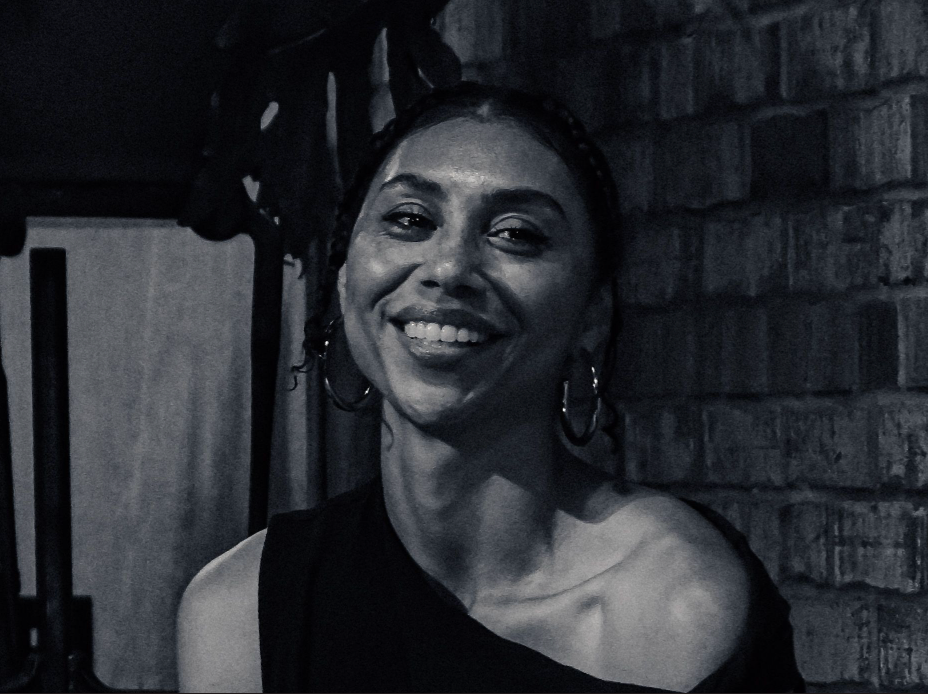
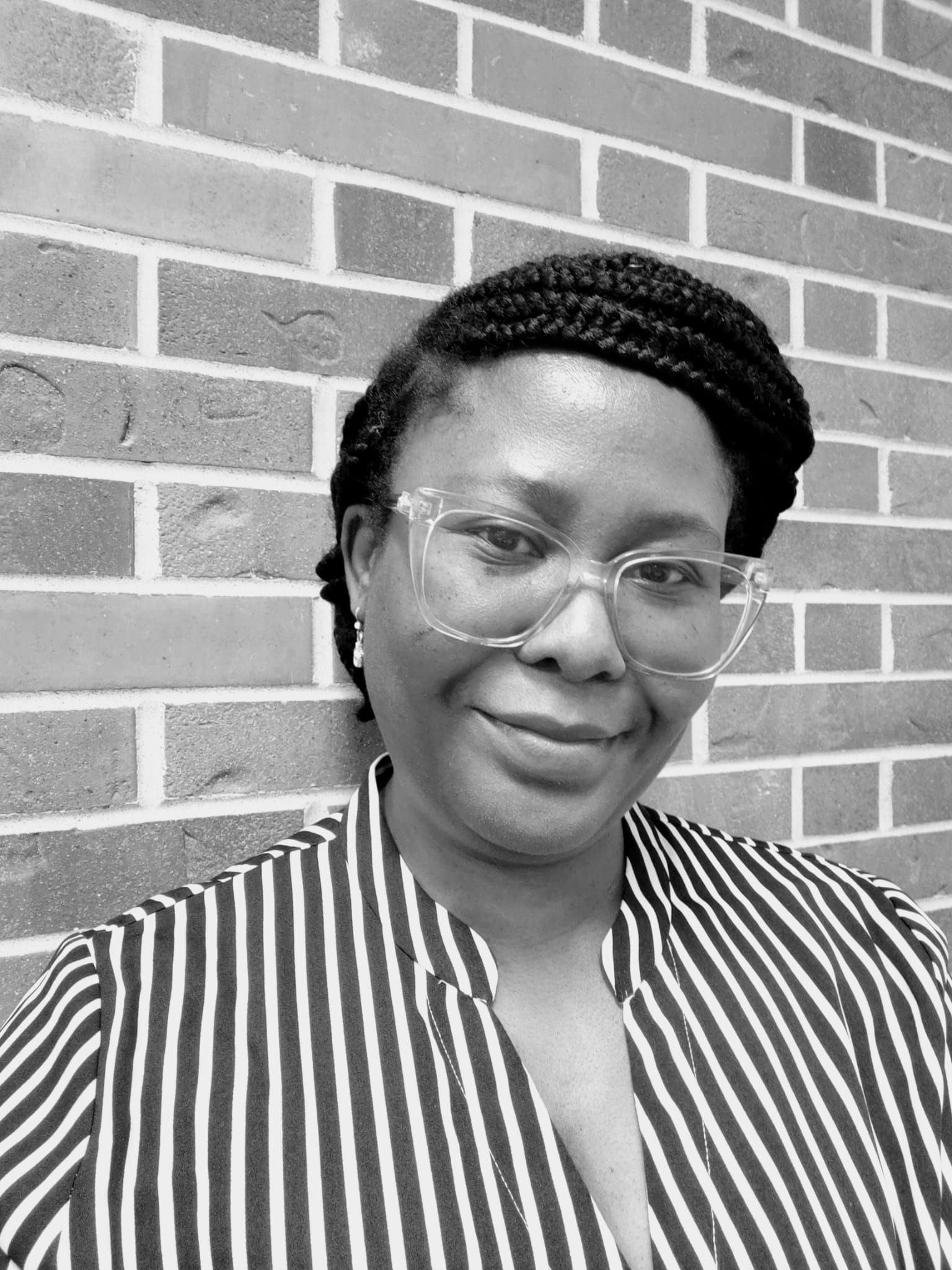
Contributor Spotlight: Annastecia Ebisike
"Share your stories, because you never know who might be inspired, or even changed, by what you dared to put into the world."
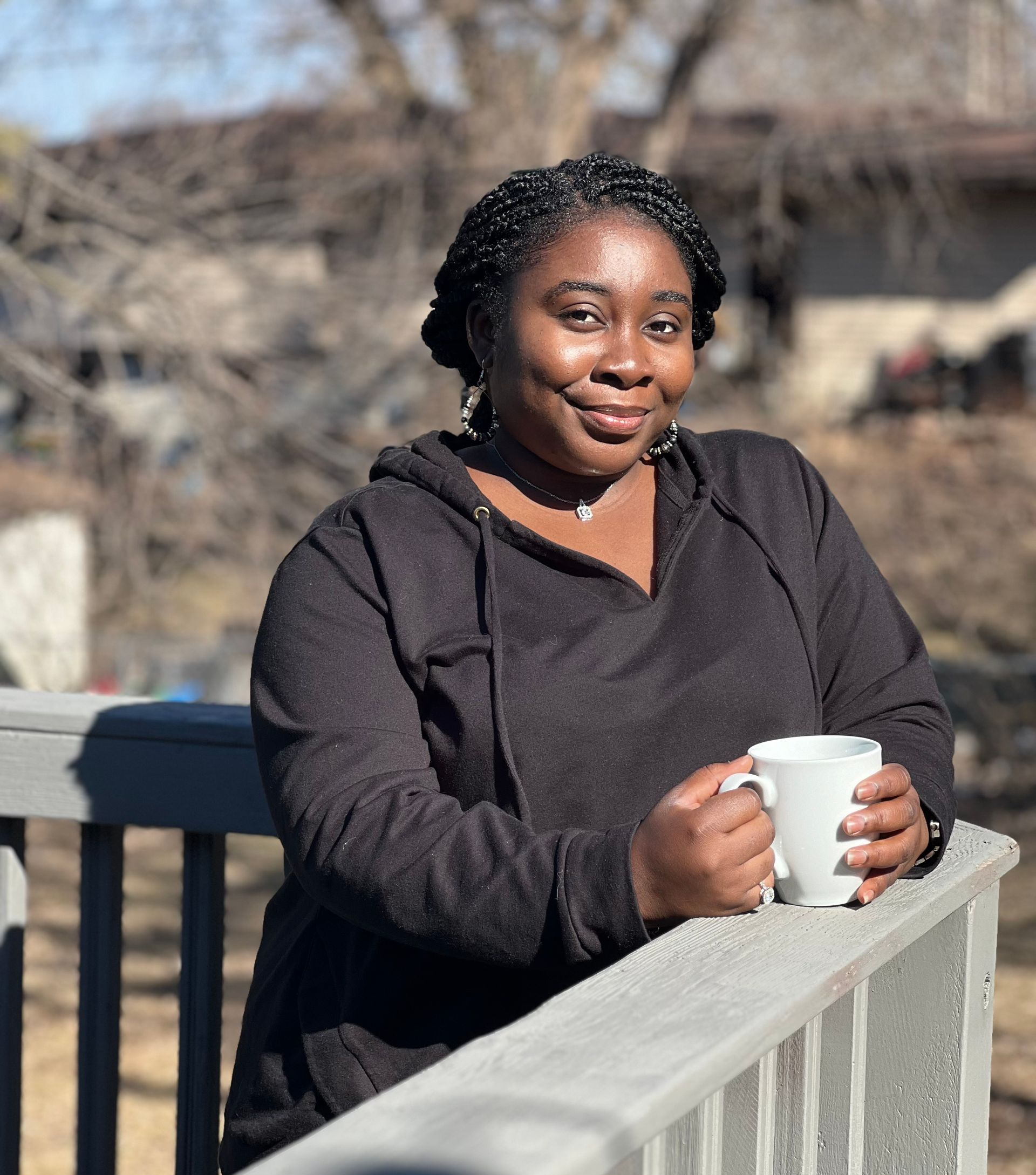
Ebisike's story, "Borderline,"appears in Issue 43.4.
What themes or messages do you hope readers take away from your story, "Borderline" ?
Hope, strength, resilience, and a sense of community.
Can you share about how your creative journey or background led you to Callaloo?
My creative journey has been shaped by movement, crossing borders, and learning how to name myself in new places. Moving to the United States forced me to sit with questions of home, belonging, and identity in ways I had never done before. Writing became a way to process the disorientation of starting over, the losses that come with leaving familiar spaces, and the slow work of building a sense of self across cultures. I began to pay closer attention to memory, language, and the small details of everyday survival that I experienced. When I embraced the thought of having this part of me out there to be seen and read by others, Callaloo felt like a natural home for my writing. The work I am drawn to, and the work I try to create, lives at the intersection of place, movement, and Black life, and Callaloo has long been a space that honors those layered narratives.
What does being a part of Callaloo mean to you as a writer?
Being part of Callaloo means being in conversation with a long tradition of Black writers whose work takes our history and lived experiences seriously. It feels like entering a space that values depth, care, and honesty in storytelling. For me, it is meaningful to share work in a place that understands Black life as layered, global, and transnational, never singular or fixed.
How does "Borderline" connect to the larger body of your creative practice?
Today we live in a volatile world, with immigration under constant attack and often framed as a threat rather than a shared human reality. My work pushes back against that framing by centering lived experience and insisting on the humanity behind movement across borders. I am interested in how stories can become a unifying force in moments when policies and rhetoric are designed to divide. I write from the position of someone who has crossed spaces and had to remake home in unfamiliar places, and I am interested in how storytelling can resist erasure and single stories about migrants. Writing in this way allows me to hold space for complexity and to remind readers that migration is not an abstract issue but a collection of real lives unfolding in real time.
What inspired you to start writing in the first place?
To hold memory. I started writing to make sense of change, and writing gave me a place to sit with questions I did not yet have answers to, especially during moments of transition in my life. Over time, it became a way to hold memory and to slow things down. It has always been about preserving, witnessing, and understanding, not just for myself, but in the hope that others might recognize something of their own lives in the stories I tell.
Are there any upcoming projects or pieces you're working on that you'd like to share with our readers? Is there anything else you would like readers to know about your work or about you?
I am working on a series of creative nonfiction pieces that explore the experience of graduate study as an international student. I am still discovering the exact shape the project will take, but my hope is to create a space where readers can connect over shared experiences, reflect on navigating new spaces, and find community in the challenges and possibilities of the moment we are living through.
My story is still evolving and will continue to do so. I am a product of migration, of moving between places, and of carrying memory and identity across borders. My work grows from that experience, and from a desire to capture the small, often overlooked moments that shape who we are. I hope that as you read, you’ll step into those moments with me, see the world through these experiences, and connect with the stories I am still learning to tell.
Is there a quote that has guided you on your writing journey?
“Write what disturbs you, what you fear, what you have not been willing to speak about. Be willing to be split open.” — Natalie Goldberg
How do you hope to support and uplift other writers working in your genre?
I hope to encourage other writers to use their voices boldly and consistently, without holding back. I know we all hesitate at times, trying to protect ourselves from systems or people who might not embrace our ideas. Still, I believe in supporting work that is thoughtful, careful, and true to the writer’s voice, especially for those who are still finding their footing. Share your stories, because you never know who might be inspired, or even changed, by what you dared to put into the world.
ANNASTECIA EBISIKE is a writer and English doctoral student at the City University of New York Graduate Center. She earned her BA in English and History from the University of Nigeria, Nsukka and her MA in English from the University of North Dakota. Born into multiplicity and shaped by movement, she explores what it means to belong, to speak, and to feel across boundaries. Her writing moves between fiction, nonfiction, and the spaces that blur the two. Social Media: @annaebisike.