Meet Our New Co-Fiction Editor, Olufunke Ogundimu

Callaloo . • February 17, 2026

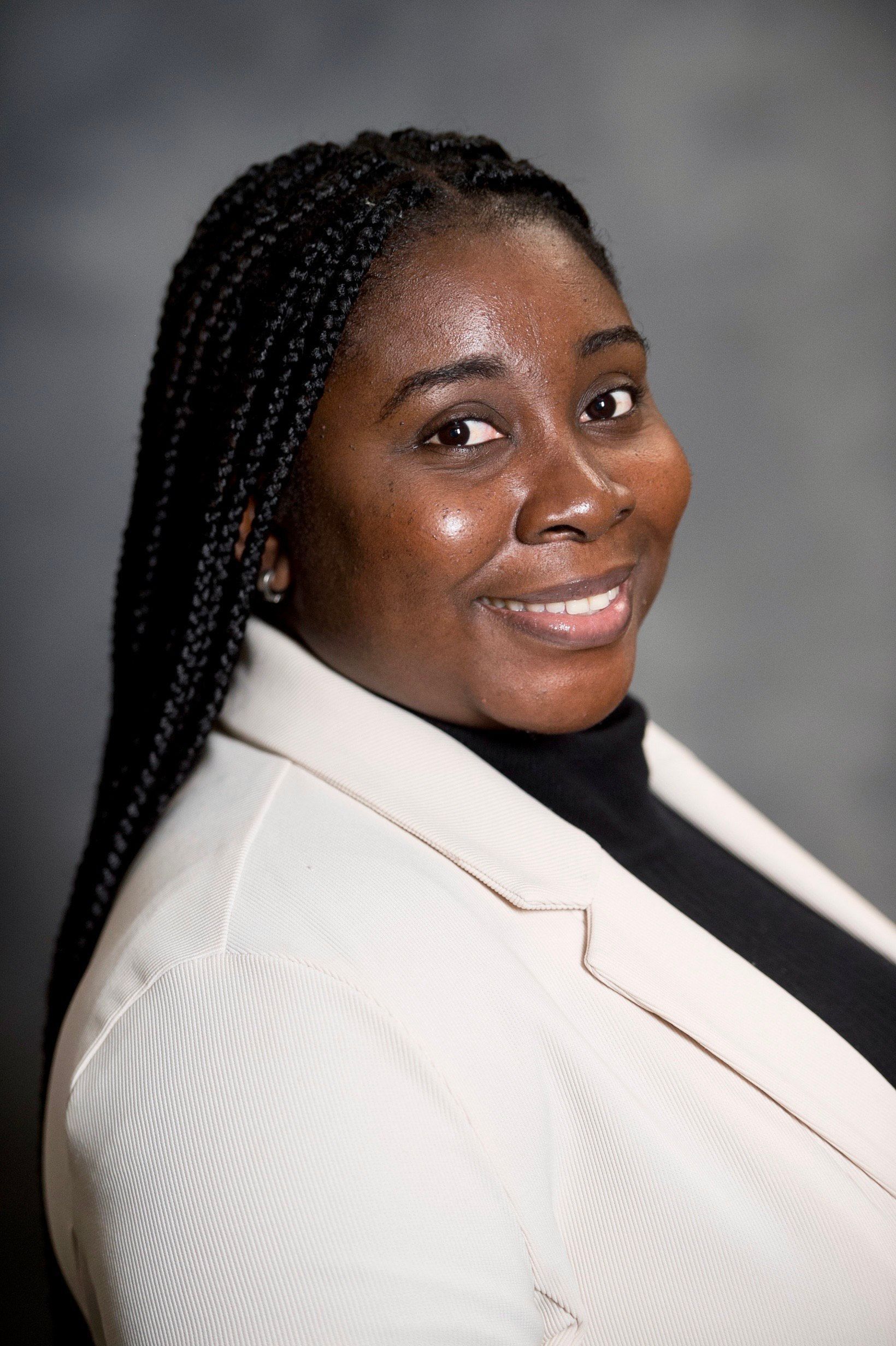
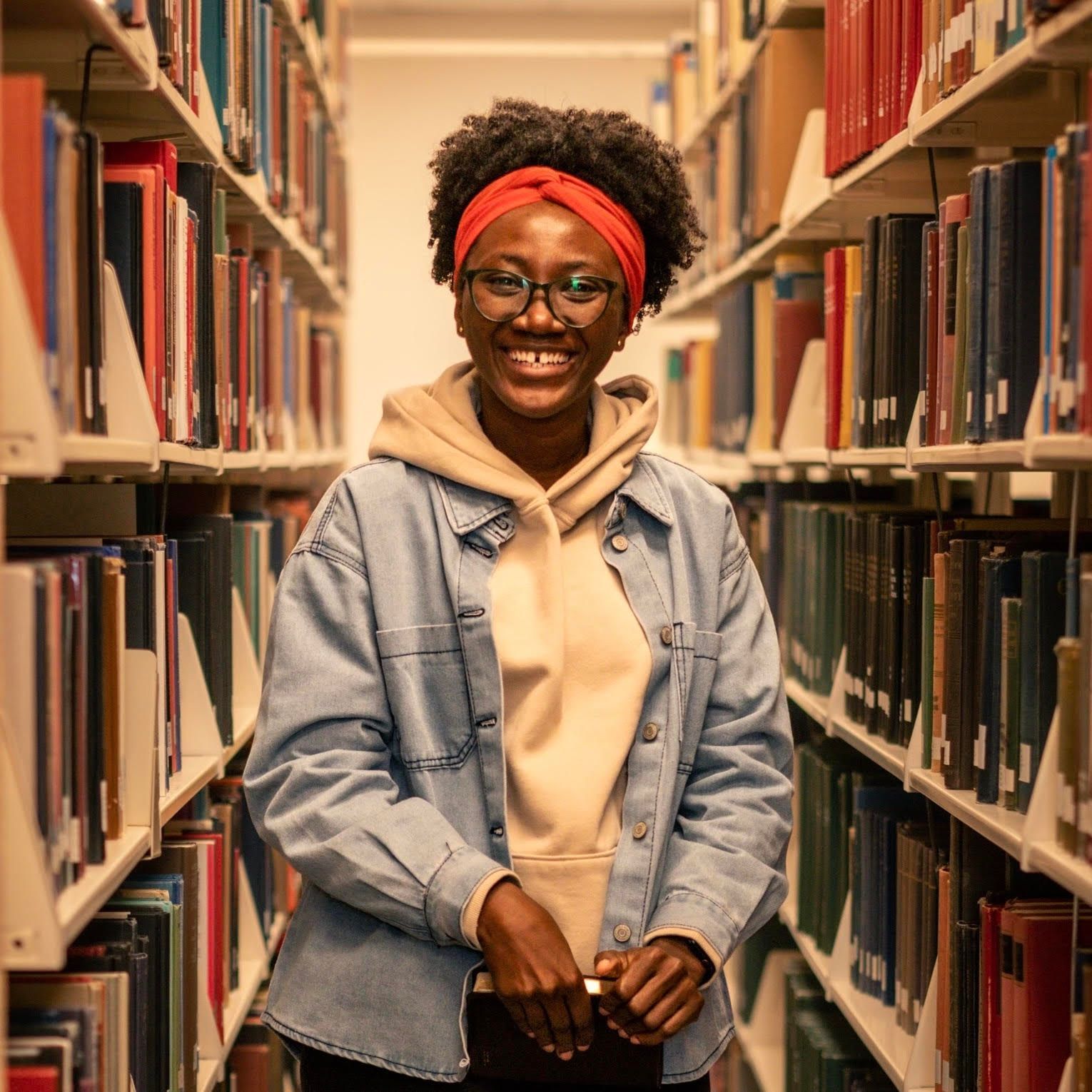
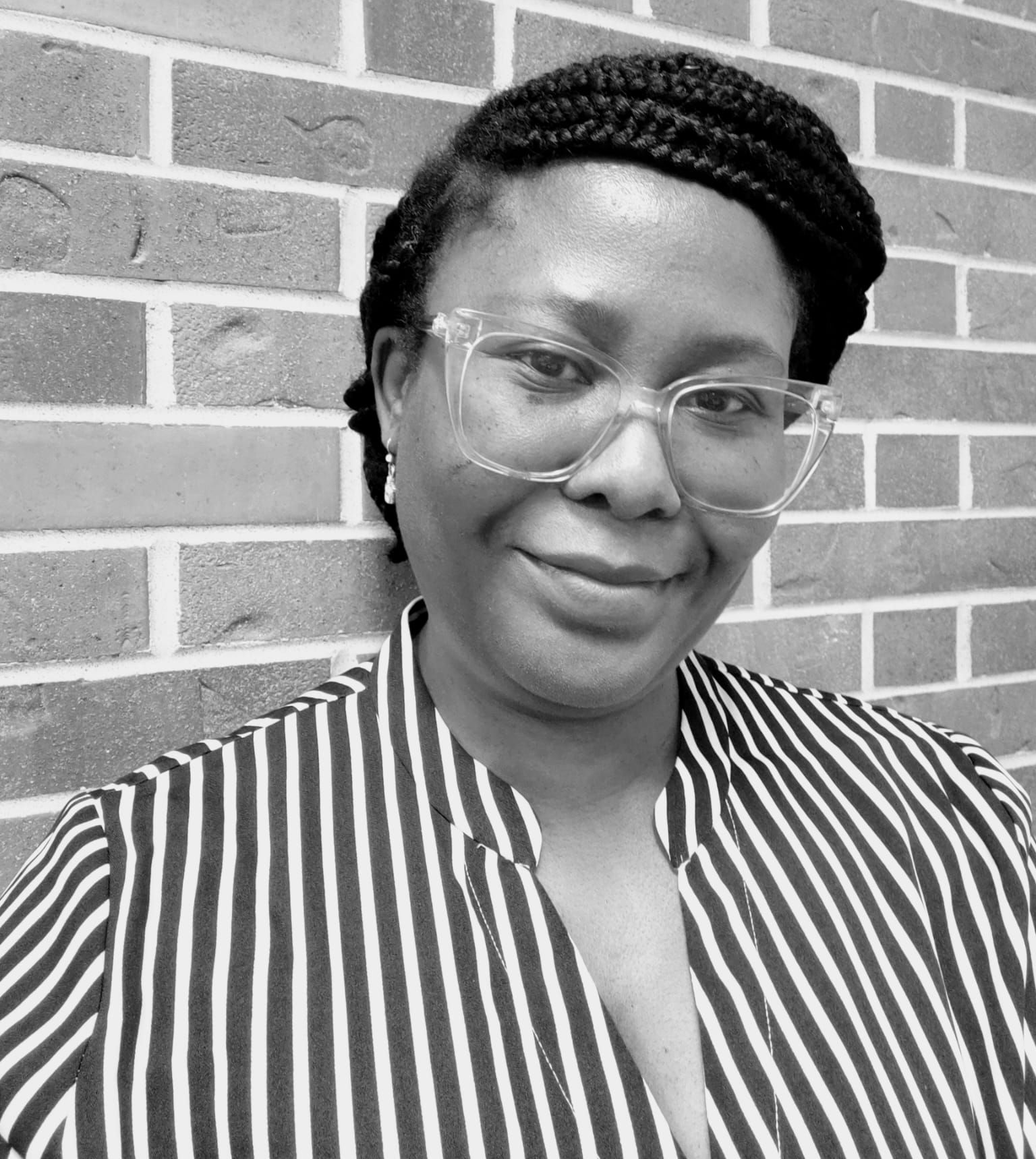
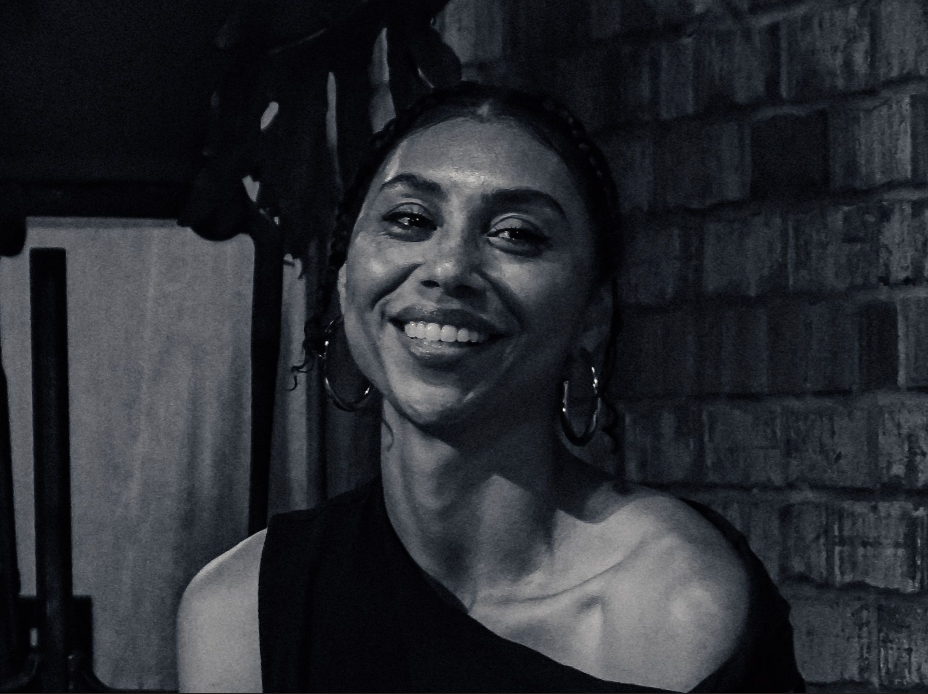
Callaloo  is honored to announce the appointment of a new co-fiction editor, Olufunke Ogundimu. Olufunke was gracious enough to share what she plans to bring to the genre editor role, as well as her hopes for future of Callaloo and our community of writers.
Can you share a bit about your background and what led you to specialize in this genre?


My work has always centered on the storytelling traditions of Africa and the African diaspora, whether through prose, poetry, or oral narrative forms that shape Black expression through time. I am deeply drawn to the short story form as it feels like both inheritance and innovation, a continuum that stretches from traditional folktales and griot storytelling to contemporary experimentations in fiction. At the intersection of literature, culture, and storytelling, I have been captivated by stories that reflect both personal and collective histories. Fiction, for me, provides a unique space where these dimensions intersect. Over time, my fascination grew with how writers use various forms, prose, folktale, music, or oral poetry traditions to convey memory and meaning. This deep continuity between old and new styles of storytelling has been instrumental in guiding my work.


What excited you most about taking on this genre for Callaloo journal?


Callaloo has long set the standard for intellectual and creative excellence in African diasporic literary traditions. What excites me most is being part of that legacy, curating new voices alongside iconic ones and allowing the journal to continue evolving with the times in the world of storytelling. There’s real joy in discovering a story that extends the lineage of Black aesthetics while also challenging how we define storytelling. Callaloo offers a rare opportunity to showcase the breadth and brilliance of the Black world’s imagination through compelling stories.


I am grateful for the chance to highlight the full range of fiction, from traditional prose forms rooted in community narratives to contemporary works that break the boundaries of language and structure. The journal’s history reminds us that innovation often begins with remembering where our stories come from, and I’m eager to continue that conversation with today’s fiction

writers.


Are there any trends or themes in this genre that you’re particularly excited to explore?


I love the bold cross-genre experimentation happening among Black writers today. Many writers are blending genres such as speculative fiction, horror, fantasy, memoir, and literary fiction to explore complex themes of identity, history, and future possibilities. They confront contemporary issues like climate change, migration, gender, and technology, all grounded in the Black diasporic experience. There’s a growing emphasis on recovering forgotten voices and reexamining history through new lenses, creating an interplay of past and future that I hope to highlight in Callaloo.


At the same time, I believe there's a place for conventional storytelling within the narrative landscape. While I appreciate experimental forms, my primary criterion for any work is that it is a good story, one that engages the reader and evokes emotion, regardless of its structure. This is where the balance lies; a strong narrative can emerge from either traditional frameworks or the innovative hybrid styles.


I’m inspired by the ways many writers are folding echoes of oral storytelling, myth, and folklore into modern prose, sometimes subtly, sometimes boldly. This hybrid work challenges the distinctions between fiction, essay, and poetry, feeling both innovative and deeply rooted in culture. It reminds me that the central concern of fiction has always been voice, how it conveys history while also imagining new futures. This can be achieved through conventional stories and groundbreaking experimentation.


4. How do you hope to support and uplift writers working in this genre?


Callaloo has always been more than a publication—it’s a community. I will carry on in that same spirit, by offering a space where fiction writers feel seen, valued, and daring enough to take creative risks. That means mentoring emerging writers, amplifying underrepresented diasporic perspectives, and ensuring our pages reflect the global scope of Black creativity. Ultimately, I aim to help writers understand that their voices matter in shaping our literary and cultural futures. Black writers have historically created against the constraints of form, bending language to voice collective memory, ancestral wisdom, and imaginative freedom.


I will support writers by genuinely engaging with their work and by encouraging them to draw strength from cultural memory as much as from craft. I plan to uplift fiction writing by affirming the beauty of Black storytelling in all its textures, the ancestral voices that anchor us, and the new voices that lead us forward. Callaloo stands as the bridge between both, and I’m honored to help carry that legacy.


Olufunke Ogundimu was born in Lagos, Nigeria. She is an Assistant Professor of English at Mississippi State University and a Research Editor at the African Poetry Digital Portal. She is also co-fiction editor at Callaloo. She holds a Ph.D. in English with specializations in Creative Writing, Ethnic Studies, and Digital Humanities from the University of Nebraska-Lincoln. She is a Caine Prize for African Writing finalist and a Miles Morland Writing Scholarship finalist. Her short story, “The Armed Letter Writers,” won a Pushcart Prize. She has received fellowships from the Farafina Trust Creative Writing Workshop, FEMRITE African Women Writers’ Residency, Anaphora Residency, LARB/USC Publishing Workshop, Atlantic Centre for the Arts, New York Foundation for the Arts, and Mississippi Arts Commission. She is a graduate of the University of Lagos and the University of Nevada, Las Vegas MFA International program in fiction. Her work has been published or is forthcoming in The Republic, Prairie Schooner, Southern Review, Poets & Writers, Narrative, Massachusetts Review, Black Warrior Review, Obsidian, adda, Transition Magazine, New Orleans Review, JaladaAfrica, Asymptote, Johannesburg Review of Books, Red Rock Review, and other places.
By Callaloo . February 23, 2026
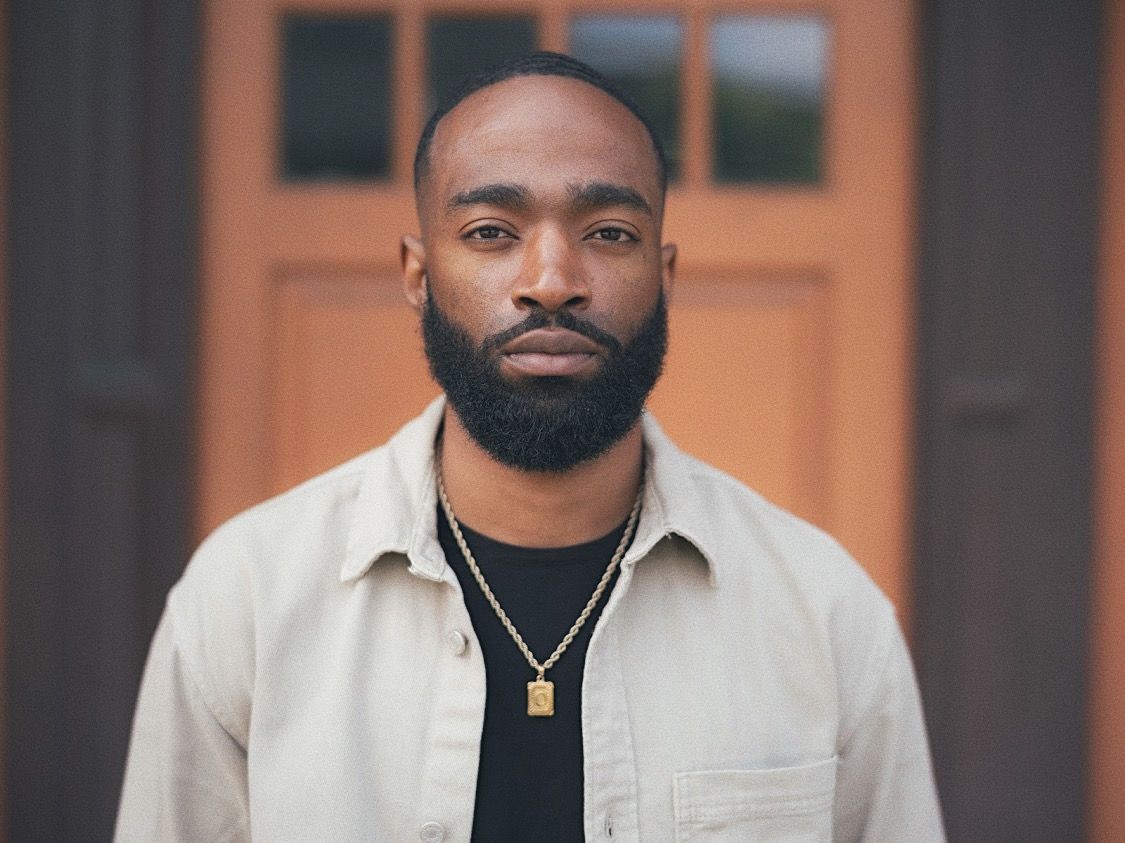
Callaloo Contributor: Annastecia Ebisike
By Callaloo . February 13, 2026
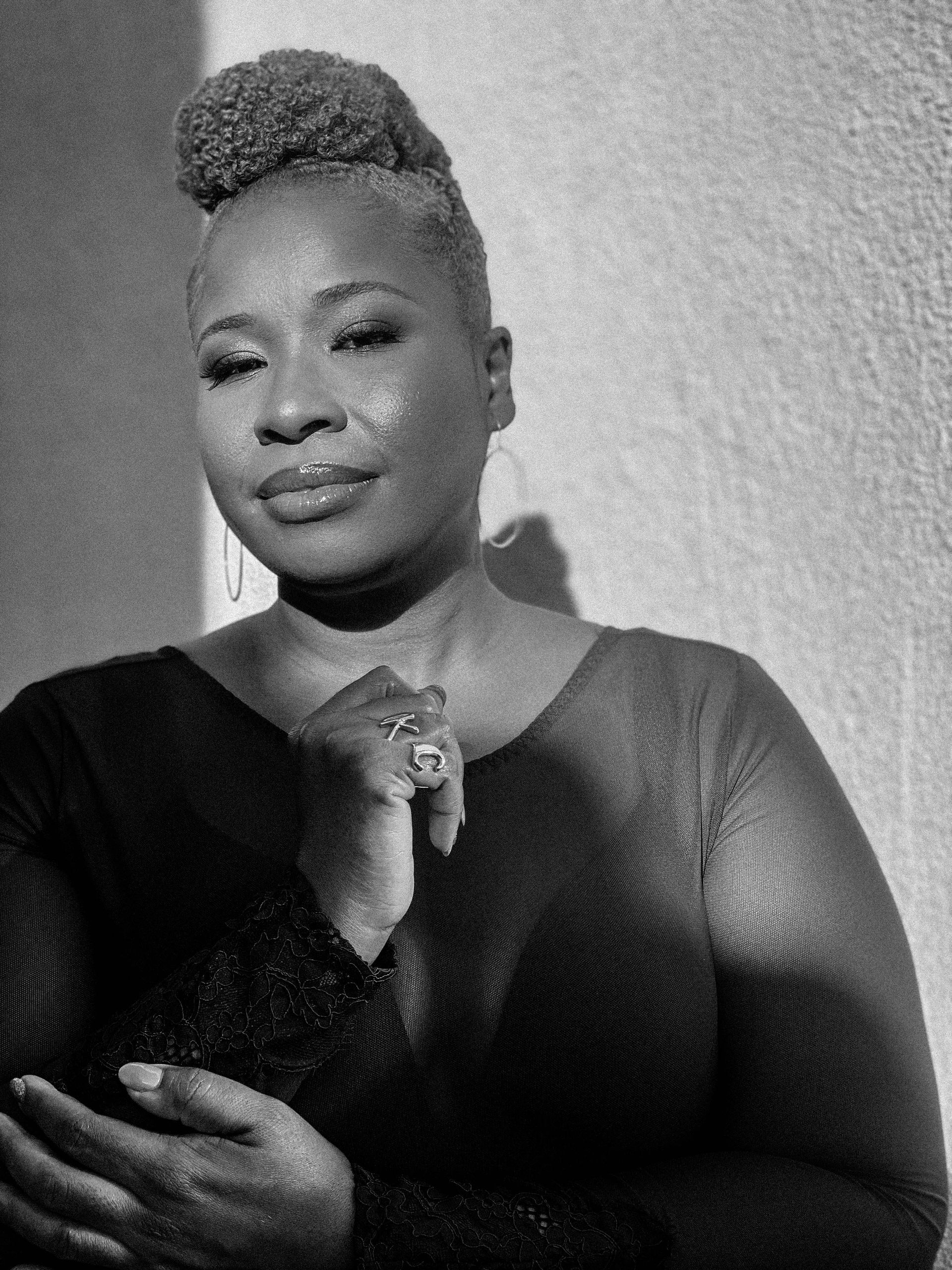
Callaloo Contributor: KC Lehman KC Lehman's fiction piece "Big Mama's Gun" appears in Callaloo 43.4.
By Callaloo . February 12, 2026
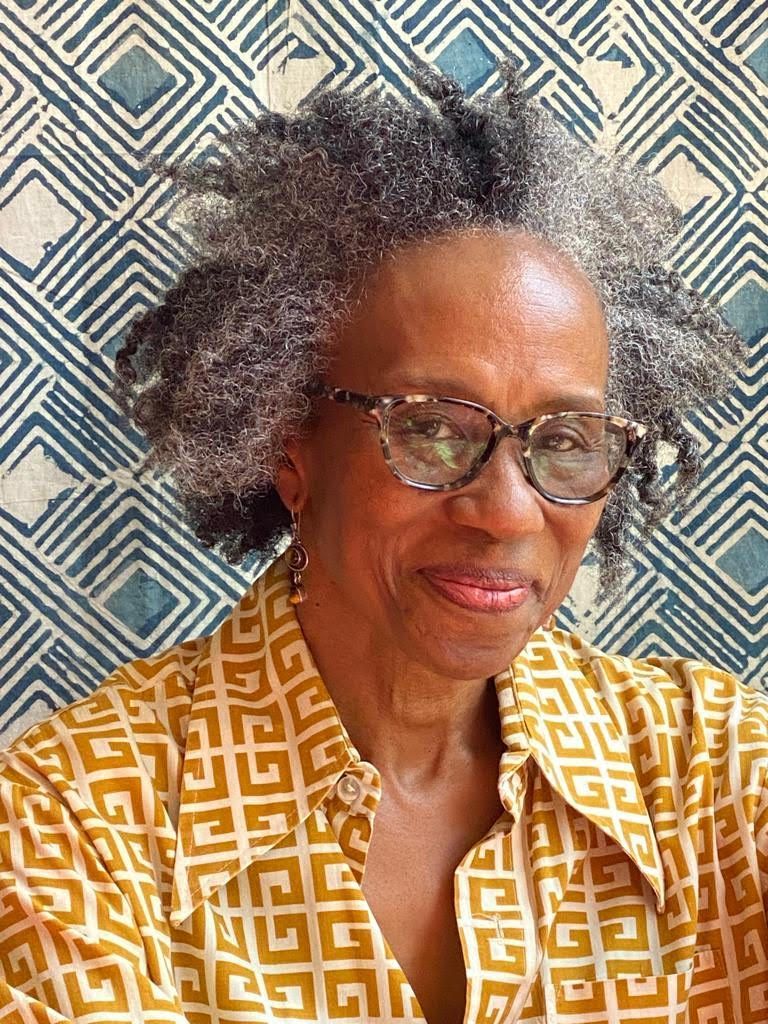
Callaloo Guest Editor: Omi Jones Omi Osun Joni L. Jones served as guest editor, along Edmund (Ted) Gordon, and Celeste Henery, of the special section on the "The Austin School Black Studies Manifesto" in Callaloo 43.4 . What themes or messages do you hope readers take away from the special section on the the Austin School Black Studies Manifesto? I hope readers take away whatever they find useful in our contribution to Callaloo , and that that discovery fuels their imaginations. In my portions of this special section, I wanted to emphasize the need for creativity in all of its forms, and the complexities and Spiritual requirements of working deeply with others. Developing this contribution actually created a practice in what is needed to make work together. While Edmund T. Gordon and I seem to guide much that appears in this special section, Celeste Henery—Research Associate in the African and African Diaspora Studies Department at UT, and graduate of the Anthropology Diaspora Program—spent more than 40 hours in conversation with Ted and me, and was vital in uncovering the intellectual and political underpinnings of what is presented here. It was Celeste who helped identify the essential fertile ground of sociality and connection to something beyond the self that drove the work for many of us. All of this—along with months of behind-the-scenes communication with all of the contributors and the Callaloo staff—was generously offered up with much grace and dedication. This document could not have come together without Celeste’s wisdom, intelligence and Spirit. Can you share about how your creative journey or background led you to Callaloo ? I believe I first became aware of Callaloo in grad school when I was researching Black performing art forms. I respected the writers and visual artists I found on its pages, and it—along with Camille Billops and James Hatch’s Artist and Influence—gave me models for how writing might be understood as visual art. Juxtaposing essays and literature alongside visual expressions created a synergy among the forms that I strive to encourage in my work. What does being a part of Callaloo mean to you as a writer? Being represented in Callaloo puts me in the company of so many venerated and distinctive burgeoning creators. The journal’s commitment to the African diaspora is especially meaningful to me as I work to know Blackness across geographies and imposed political systems. It would be exciting if an African diasporic gathering occurred around the ideas in the special section, where so many might explore what role institution building holds during the sinkhole of late-stage capitalism and escalating environmental degradation. That could be electric, truly opening to the unknown! How does this work connect to the larger body of your creative practice? My creative practice continues to evolve with less emphasis on embodying work myself and more focus on writing fiction/creative non-fiction accompanied by engagement installations around that writing. I came to these explorations, in large measure, as a result of the saturation of possibilities launched during my experiences with Black Studies at UT. I want people to come together—across every divide—and dance, sweat, laugh, eat, plant, listen, nurture, and allow the impediments to Love to dissolve. So much inner and communal work is needed. Can we go there? This time seems ripe for that which has not been done before. Is there anything else you would like readers to know about your work or about you? As readers look at the special section of this Callaloo issue, I’d like them to know that the visual artists who are included have a long history with Black Studies at UT. Deborah Roberts, Minnie Marianne Miles, Michael Ray Charles, Tonya Engel and Daniel Alexander Jones each had work exhibited in the hallways and galleries of Black Studies—along with Moyo Okediji, Christopher Adejumo, Donna Bruton, Yasmin Hernandez, Shay Youngblood, Senalka McDonald and many others. Michael created the piece presented in Callaloo while sitting in a faculty meeting, and Tonya’s images were often used as the visual stamp for productions in the Performing Blackness Series. It is important that the special section honor those relationships and give readers a way into the world of Black Studies at UT beyond the stories and analyses in the essays. What inspired you to start writing in the first place? Libraries are like temples where acolytes come to bathe and practice becoming the luminaries we can all be! Verbal language can feel limited until the poet flows through you—and you create your own system! Perhaps, finding a way to put on the page page what visual artist Kaylynn Sullivan TwoTrees calls "vocables"—Spiritually guided sonic impulses. I fell in love with Gwendolyn Brooks in high school when I was on the competitive speech team. I found hidden away parts of myself when I discovered Maud Martha—a little Black girl trying to figure out who she was in a confounding world. Right there in a book! Gwendolyn Brooks—from my Chicago roots—made me see myself as valuable. From the opening chapter of the novel—“. . .it was comforting to find that what was common could also be a flower.” My own fiction owes an obvious debt to her creations. What do you find most rewarding about being part of the Callaloo Community? Callaloo is a space for Black truth telling. It buoys me to participate in the ongoing enterprise of exploring the many contours of Blackness. It reminds me that I am not a solo sojourner. Are there any upcoming projects or pieces you're working on that you'd like to share with our readers? I have residencies this spring that will allow me to deepen my attunement with the fiction I'm writing. I’ll be working with communities to use theatrical jazz aesthetics in opening the work beyond the linearity of print, and incorporating the participants' own relationships with the ideas in the stories. In each location—Palo Alto, Austin, San Antonio, Charlottesville—the participants will become my co-creators. I am working toward publishing this collection, and look forward to what I might learn from raucous installations where we all create the worlds of Black little girls together. Is there a quote that has guided you on your writing journey? Dr. Phil Decker, my undergraduate mentor, introduced me to “The House Was Quiet and the World Was Calm” by Wallace Stephens. The poem describes the experience of being absorbed by reading, and one line really moves me—“the reader became the book.” I imagine readers “leaning late and reading there” because they found something in what I’ve written that stimulated excitement or annoyance or curiosity in them. The poem makes clear how visceral—and therefore transformative—reading can be. YES! How do you hope to support and uplift other writers working in your genre? Some of the support I offer is formal—I serve on literary review boards, offer embodied writing workshops (many, with my spouse Sharon Bridgforth ), and provide dramaturgical services for performances/rituals/ceremonies. I also do a great deal of listening to so many creators as they process the tenderness of bringing forth whole structures that are unique to their Spirits. It is a privilege to assist people who are shining a Light that has the potential to illuminate paths of possibility for others. And all of this is so powerfully mutual—my Spirit expands with each encounter.  Omi Osun Joni L. Jones’ work is grounded in Black Feminist principles and theatrical jazz aesthetics. Her original performances include sista docta—a critique of academic life; and Sittin’ in a Saucer—a series of readings with audience/witnesses using literature as prompts for engagement. Among her ethnographic works are Searching for Ọ̀ṣun—a performance installation around the Divinity of the River; and Theatrical Jazz: Performance, Àṣẹ, and the Power of the Present Moment (Ohio State University Press, 2015)—a collaborative ethnography focusing on three theatrical jazz visionaries. Omi has been shaped by Robbie McCauley’s activist art, Laurie Carlos’s insistence on being present, and Barbara Ann Teer’s overt union of Art and Spirit. She is Professor Emerita from the African and African Diaspora Studies Department at the University of Texas at Austin, a mother, a Queer wife, and a curious sojourner.
By Callaloo . February 3, 2026
Callaloo Contributor Feature: Daniel B. Summerhill Daniel B. Summerhill's review of Love is a Dangerous Word: Selected Poems by Essex Hemphill, edited by John Keene and Robert F. Reid-Pharr, appears in Callaloo 43.4. Get a copy here.
By Callaloo . February 3, 2026
Discover the new issue: Callaloo 43.4
By Callaloo . December 19, 2025
Our next Contributor Feature comes from Tryphena Yeboah, whose work appears in Callaloo 43.2 . What inspired your piece in this issue? I wrote “Marriage”, well, during the first year of my marriage. I was surprised to see how differently my husband and I approach finances, how our upbringings have informed how we think about money and what’s worth purchasing, particularly in a season of new and small beginnings. We’re learning to live in the tension of scarcity and freedom. I think it’s much harder than it seems. A “Stone Room” was inspired by the days surrounding my wedding. I had travelled back home to Ghana for the ceremony and had to sleep in the room I’d spent so many of my teenage years in. It was strange to be back there. Everything was still the same after all those years, and yet, it felt like nothing had changed. Being back there brought back memories of the house, many of which were painful, but there was also a surprising sense of comfort in it. For the poem “Burn,” I was at a colleague’s house and just watched the fascination in their child’s eyes as he looked at a burning candle. He was curious and in awe he could almost touch it. I thought a lot about unending vigilance and care for children. Many of my older friends tell me that it never stops, not even when your child is a responsible adult living out of the house. I am deeply interested in that. In one word how would you describe your contribution to Callaloo 43.2? Honest. How did your creative journey or background lead you to this publication? I suppose none of these three poems would exist if I wasn’t in the habit of thinking and reflecting about my life and how I live my days. So, I’ll say the practice of journaling and reading over the years has taught me to not merely move through moments, even the most mundane ones, but to also interrogate my emotions and impressions of things, to sit still, to wade deeper, and to grow the kind of curiosity that has me questioning and wondering and imagining and looking beneath the surface of things. Tell us about a book or writer that influenced your work in this issue Rather than a book or writer, it was the simple and ordinary events that were happening in my life at the time that led to these poems. I love that writing invites me to pay attention to my life and the world around me. More About Tryphena: TRYPHENA YEBOAH is an assistant professor of English and Creative Writing Director at Tennessee Wesleyan University. https://www.tryphenayeboah.com/
By Callaloo . December 5, 2025
Callaloo Contributor Feature: Lori L. Tharps
By Callaloo . November 18, 2025
Celebrating Callaloo 43.3, Oya, Wind is Our Teacher
By Callaloo . October 31, 2025
Callaloo Community Feature: Schyler Butler
By Callaloo . September 9, 2025
Callaloo is proud to announce the appointment of six new Genre Editors: Tyree Daye (Co-Poetry Editor), Safia Elhillo (Co-Poetry Editor), Claire Jiménez (Co-Fiction Editor), Kei Miller (Co-Fiction Editor), Keenan Norris (Nonfiction).