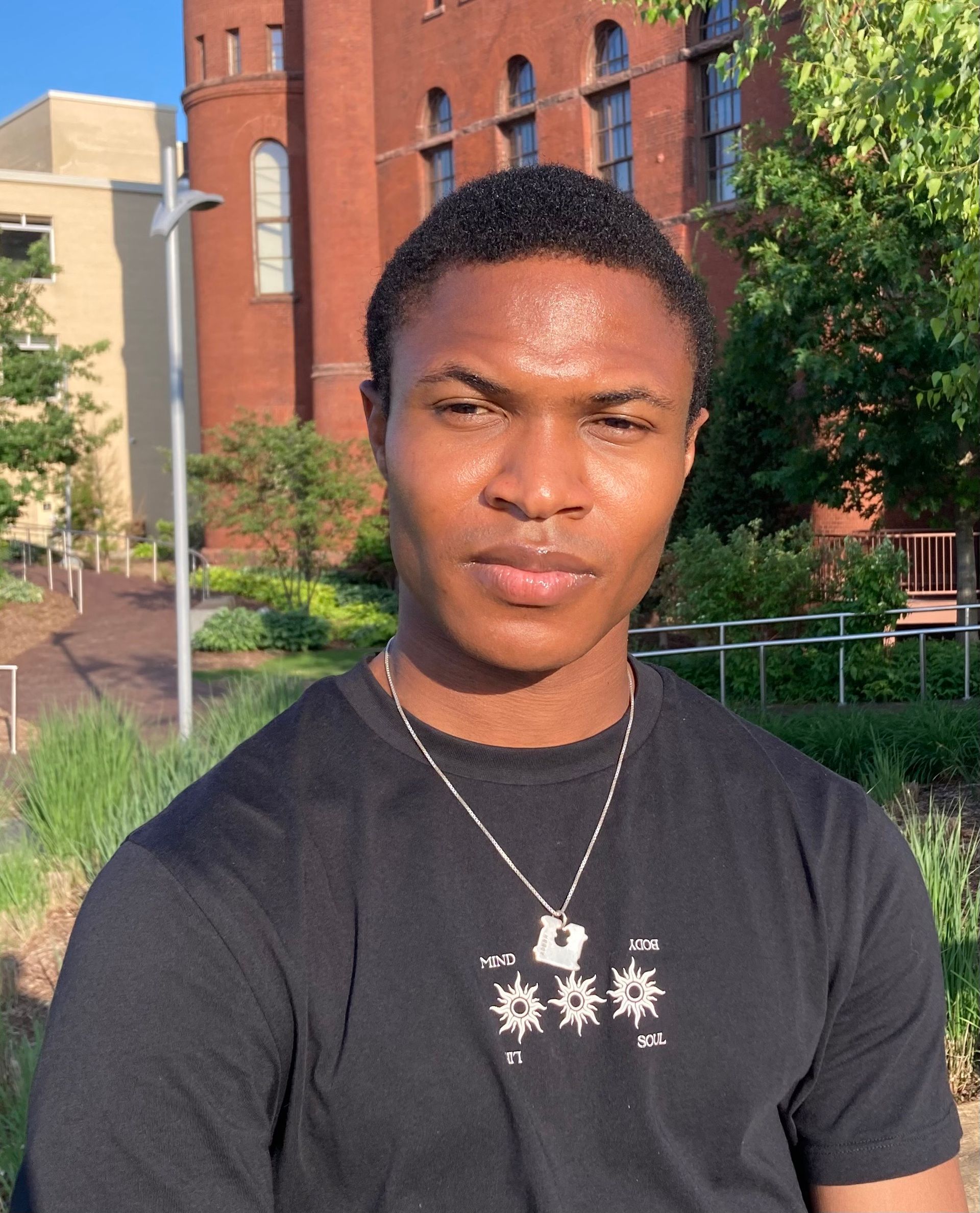
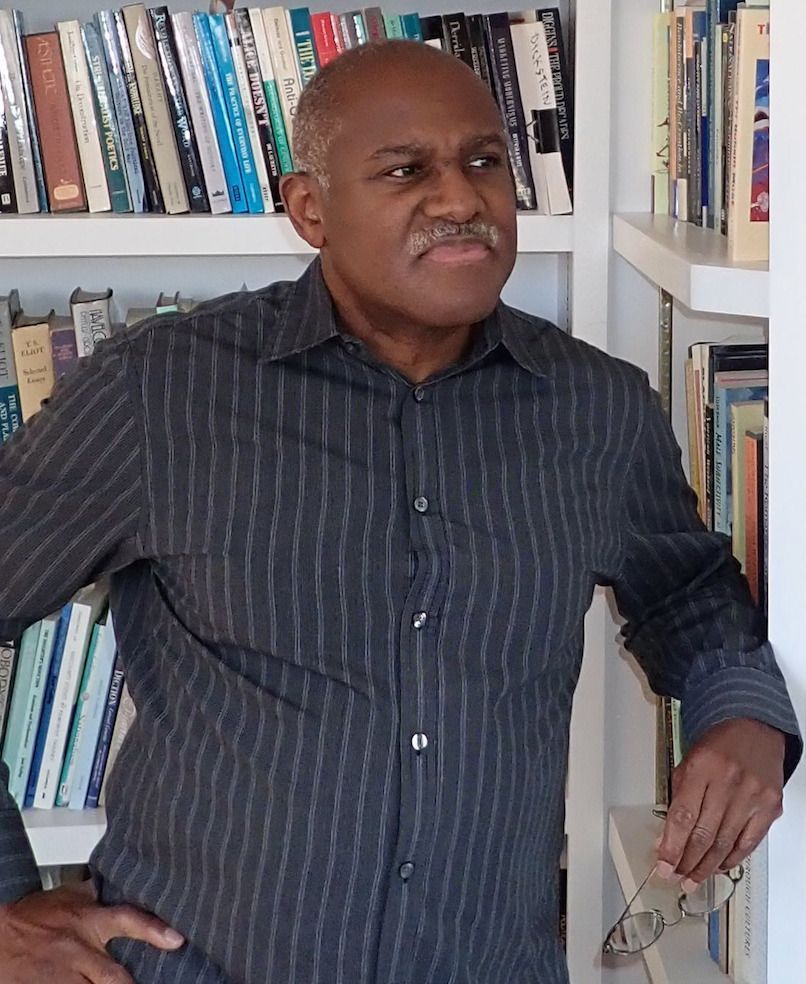
Contributor Spotlight: Emmy Parker
"I am fascinated by the things that keep moving. Songs remembered across generations. Stories that keep resurfacing. Rhythms that remain intact long after the circumstances that produced them have disappeared. Again and again, I find myself drawn to forms of knowledge that survive without obvious preservation systems."
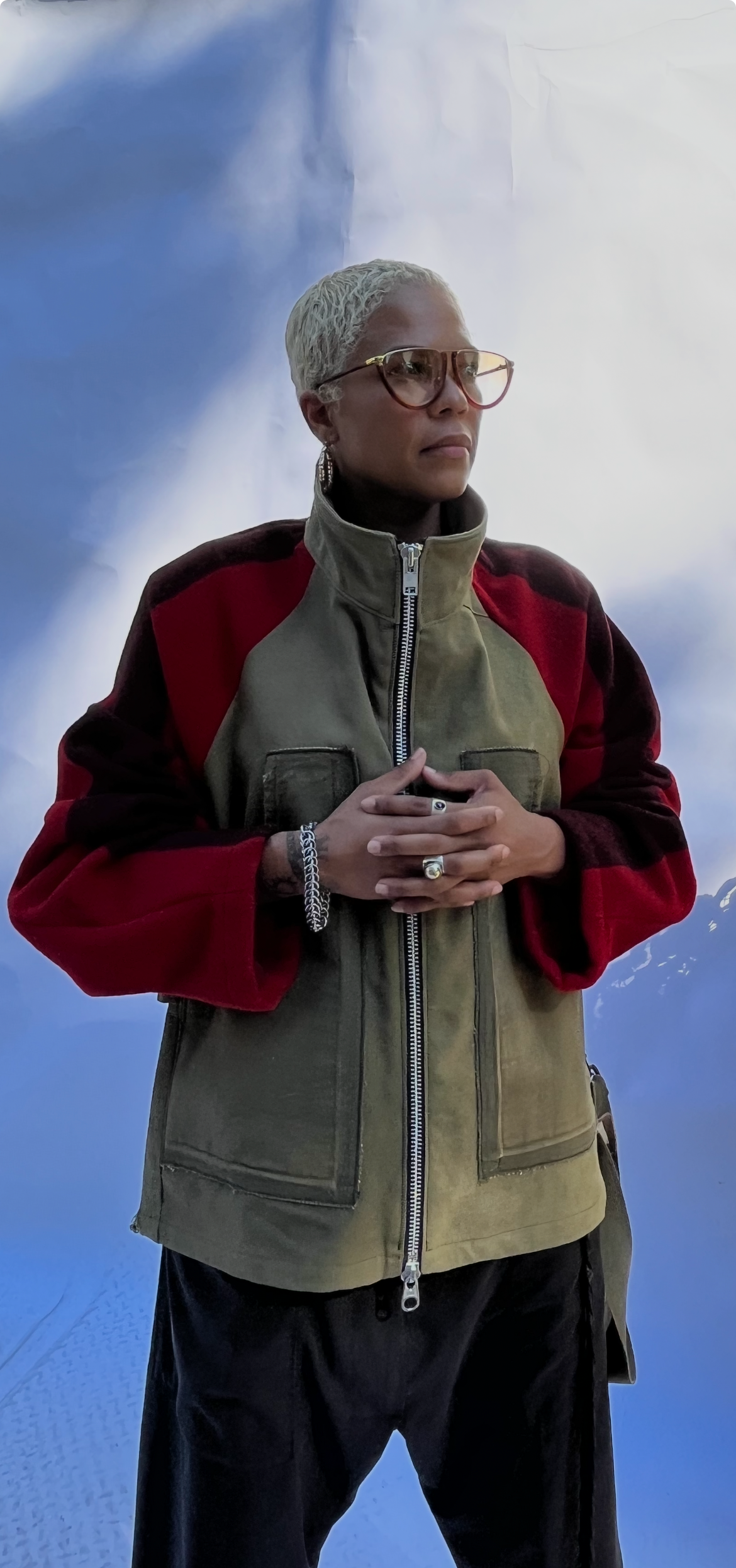
Parker's essay, "Black Sonic Intelligence," appears in Issue 44.2.
What inspired your piece in this issue?
I was inspired by a question that has followed me for years: What if Black music is not simply an art form, but a way of knowing? We readily acknowledge that Black musical traditions carry memory, history, spirituality, and social life, yet we rarely treat them as systems of intelligence in their own right. This essay emerged from my attempt to understand how sound can transmit knowledge across generations and how those transmissions have shaped my own family, from the gospel songs of my grandmother to the funk innovations of my uncles, Maceo and Melvin Parker, and the legal theories of my father. The piece is part of a larger book project called Black Sonic Intelligence, which explores what Black communities have long known: that sound does more than express experience. It stores, organizes, and carries it.
What role does history or memory play in your creative practice?
I am fascinated by the things that keep moving. Songs remembered across generations. Stories that keep resurfacing. Rhythms that remain intact long after the circumstances that produced them have disappeared. Again and again, I find myself drawn to forms of knowledge that survive without obvious preservation systems.
In my family, memory was rarely treated as information to be stored. It moved through voices, gestures, praise songs, stories, and musical practices. By the time I encountered archives, I already understood memory as something alive; something carried by people rather than contained by objects.
History and memory leave traces of these movements, but continuity is what I’m trying to understand. Preservation may not be the primary mystery. The deeper mystery is why some things keep moving at all.
What kinds of art, music, film, or scholarship were surrounding you while you worked on this piece?
Stevie Wonder's Journey Through the Secret Life of Plants was almost always nearby. I would put on "Earth's Creation" and sit with those opening frequencies, trying to understand why they felt more like recognition than composition. Late at night I found myself moving between that record and the music of my own family: Maceo and the Macks, James Brown, the grooves my uncles helped build. Both seemed to be asking the same question in different languages: how much order can vibration create?
When I needed a different answer, I turned to Hammond organ gospel. Roberta Martin and Little Lucy Smith Collier reminded me that sound can carry obligation, care, and continuity as surely as it carries melody. The scholarship ranged from cosmology and acoustics to Black studies and folklore, but I kept returning to the music. I listened to the experimental pianist Precious Renee Tucker’s live performance for Telfar. It feels as though she has received a transmission I am still learning how to hear. Much of what I am trying to understand in "Black Sonic Intelligence" was already there: hum, call, groove, buzz, drone, silence.
The records knew before I did.
What do you hope readers linger with after reading "Black Sonic Intelligence"?
I hope readers linger with the possibility that sound carries more than feeling.
We are accustomed to thinking about music as aesthetic, entertainment, or art, but Black communities have long used sound to do other kinds of work. Sound can preserve memory. It can organize people into relation. It can transmit knowledge, responsibility, and belonging. It can help communities remain intact under conditions that would otherwise fragment them.
The essay argues that these practices are not accidental or symbolic. They don't simply express knowledge; they generate and transmit it. They are methods. Behind a song, a groove, a hum, or a shout there is often a way of knowing, a way of remembering, and a way of making life possible. More than anything, I hope readers leave listening differently. Not just for meaning, but for the intelligence that sound carries.
Some of the most important knowledge systems in Black life have been hiding in plain hearing all along.
What are you working on now?
I’m currently building the Sonic Practice Archive, a public trust dedicated to preserving and stewarding the creative practices embedded in Black music. The work began with a realization that continues to shape everything I do: recordings survive all the time while the knowledge that produced them disappears. The stories, decisions, relationships, obligations, and ways of listening often vanish first.
That realization pushed me toward two forms of the same work. One is institutional: building systems capable of carrying those practices forward. The other is literary: writing Black Sonic Intelligence.
Increasingly, I understand both projects as attempts to answer the same question: if these forms of knowledge have survived all along, what kinds of institutions can meet them where they are?
EMMY PARKER
is a writer, archivist, and co-founder of the Sonic Practice Archive. Raised in a family whose traditions span gospel, funk, and jurisprudence, she spent more than a decade helping shape the cultural legacy of Moog Music and Moogfest. Her work traces how sound carries memory, knowledge, and continuity across generations. She is currently writing Black Sonic Intelligence.