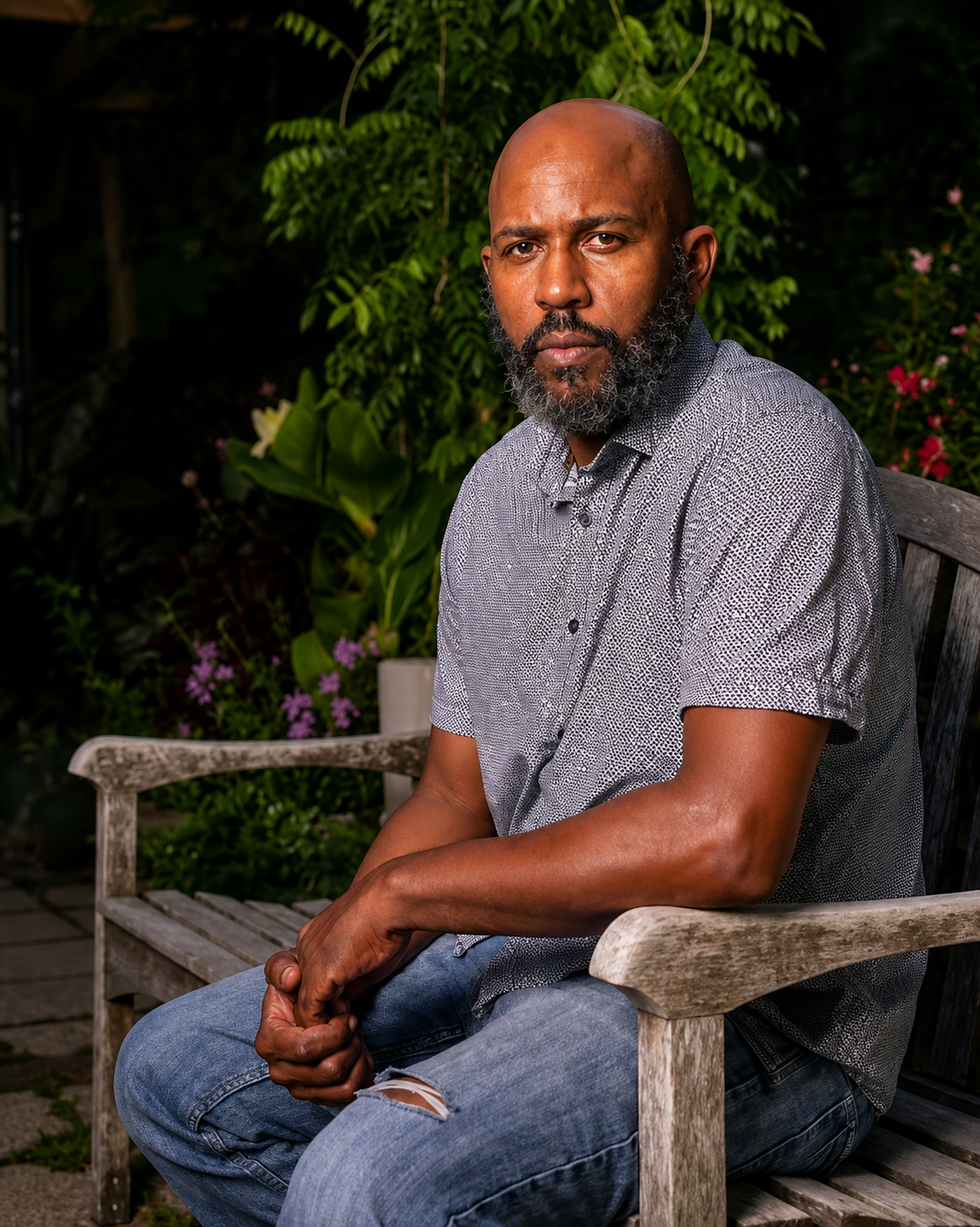
Contributor Spotlight: Jeffery Renard Allen
"I am fascinated by the things that keep moving. Songs remembered across generations. Stories that keep resurfacing. Rhythms that remain intact long after the circumstances that produced them have disappeared. Again and again, I find myself drawn to forms of knowledge that survive without obvious preservation systems."
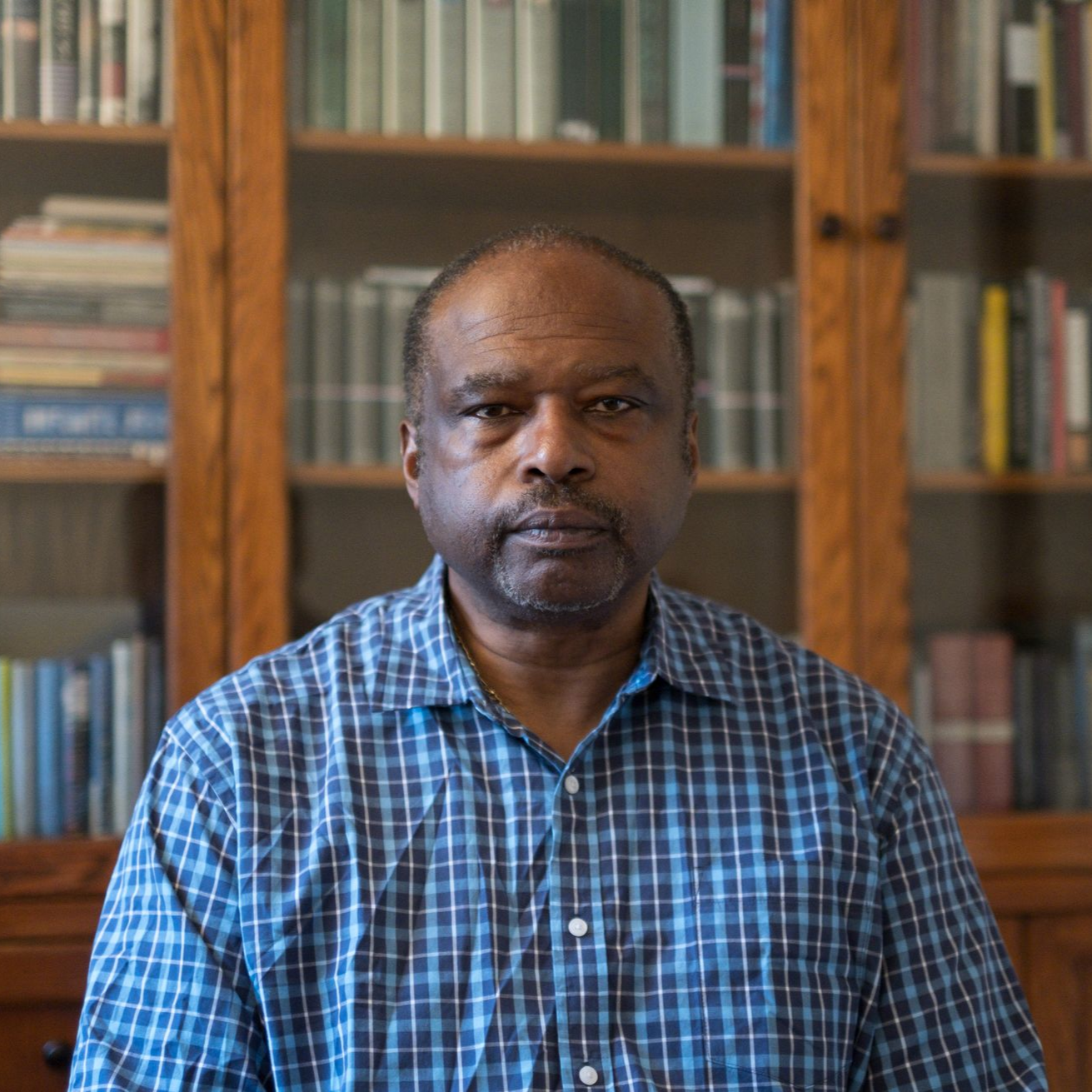
Allen's essay, "Globe," appears in Issue 44.2.
In one word, how would you describe you contribution to Callaloo 44.2?
Longing.
How do place and geography shape your writing?
As a young writer, I was drawn to people like William Faulkner and Gabriel García Márquez who set their fiction in invented locations. I have done the same in much of my fiction. Then, twenty years ago, I traveled to the African continent for the first time, a trip that had a profound impact on my thinking about place. Eventually I took up the continent as a subject in my fiction, writing about Africa directly, although always about an invented location on the continent. Interestingly enough, in my memoir,
Mother Wit, I reflect on the time I’ve spent in places like Ghana, Nigeria, Tanzania, South Africa, and Zimbabwe, and I also explore the reasons why Africa grounds me. My ties to the continent are such that I divide my time between New York and Johannesburg.
How has your writing practice changed over time?
Once I used to sit in a quiet room for hours at a time with my notebook or computer and compose the first draft of a narrative. Now I read. Reading has become for me a way to brainstorm ideas, a way to think myself into language and to think through language back to the draft at hand.
Do you see your work as being in conversation with particular literary traditions or writers?
Art is an offering to an audience. However, art first begins as a conversation with other artists. To speak specifically of writers, it is my sincere hope that my work is in conversation with some of the writers I admire most, including Marcel Proust, Jean Toomer, William Faulkner, Nadine Gordimer, John Edgar Wideman, Mavis Gallant, and Toni Morrison, among others.
What are you working on now?
Still in progress, Mother Wit has blossomed into a complicated and convoluted book in four volumes. After working on it for about six years, last October I decided put it aside temporarily to begin a new project, a novel called The Promise that I view as an extended
riff on the life of Winnie Mandela.
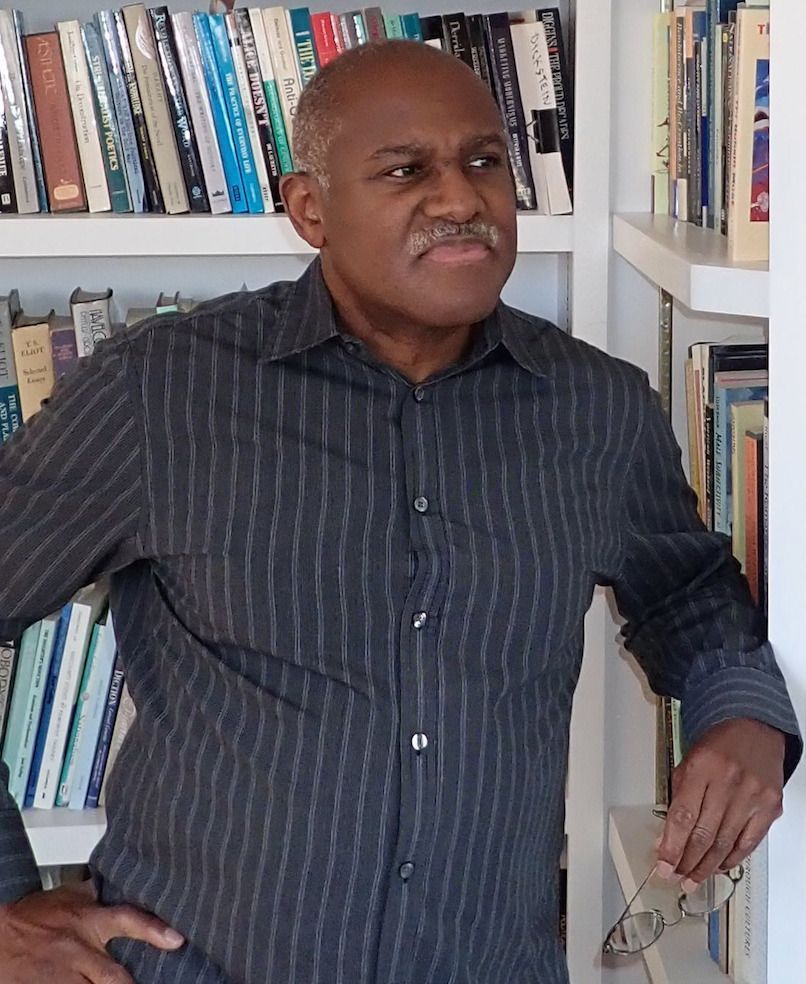
JEFFERY RENARD ALLEN is the award-winning author of six books of fiction and poetry, including the celebrated novel Song of the Shank, which was a front-page review in both The New York Times Book Review and The San Francisco Chronicle. Allen’s other
accolades include The
Chicago Tribune's Heartland Prize for Fiction, The Chicago Public Library’s Twenty-First Century Award, the Ernest J. Gaines Award for Literary Excellence, a grant from Creative Capital, a Whiting Writers' Award, a Guggenheim fellowship, a NYFA grant, residencies at the Bellagio Center, Jan Michalski Fondation, Ucross, The Hermitage, VCCA, Monson Arts, and Jentel Arts, and fellowships at The Center for Scholars and Writers, and the Schomburg Center for Research in Black Culture. He was a finalist for both the PEN/Faulkner Award and the Carnegie Medal for Excellence in Fiction. Allen is the Africa Editor for
The Evergreen Review. His latest books are the short story collection
Fat Time and the memoir
An Unspeakable Hope, the latter co-authored with Leon Ford. Allen is at work on several projects, including
The Promise, a novel that riffs on the life of Winnie Mandela; a memoir in four volumes entitled
Mother Wit; a book of poems called
No Borders; and the short story collection
Try Me. Allen makes his home in Johannesburg and New York. Find out more about him at www.writerjefferyrenardallen.com.