Contributor Spotlight: Douglas Hajanika
"I come from a place where the individual is never entirely an individual...Community can hold us, but it can also complicate grief, identity and belonging."
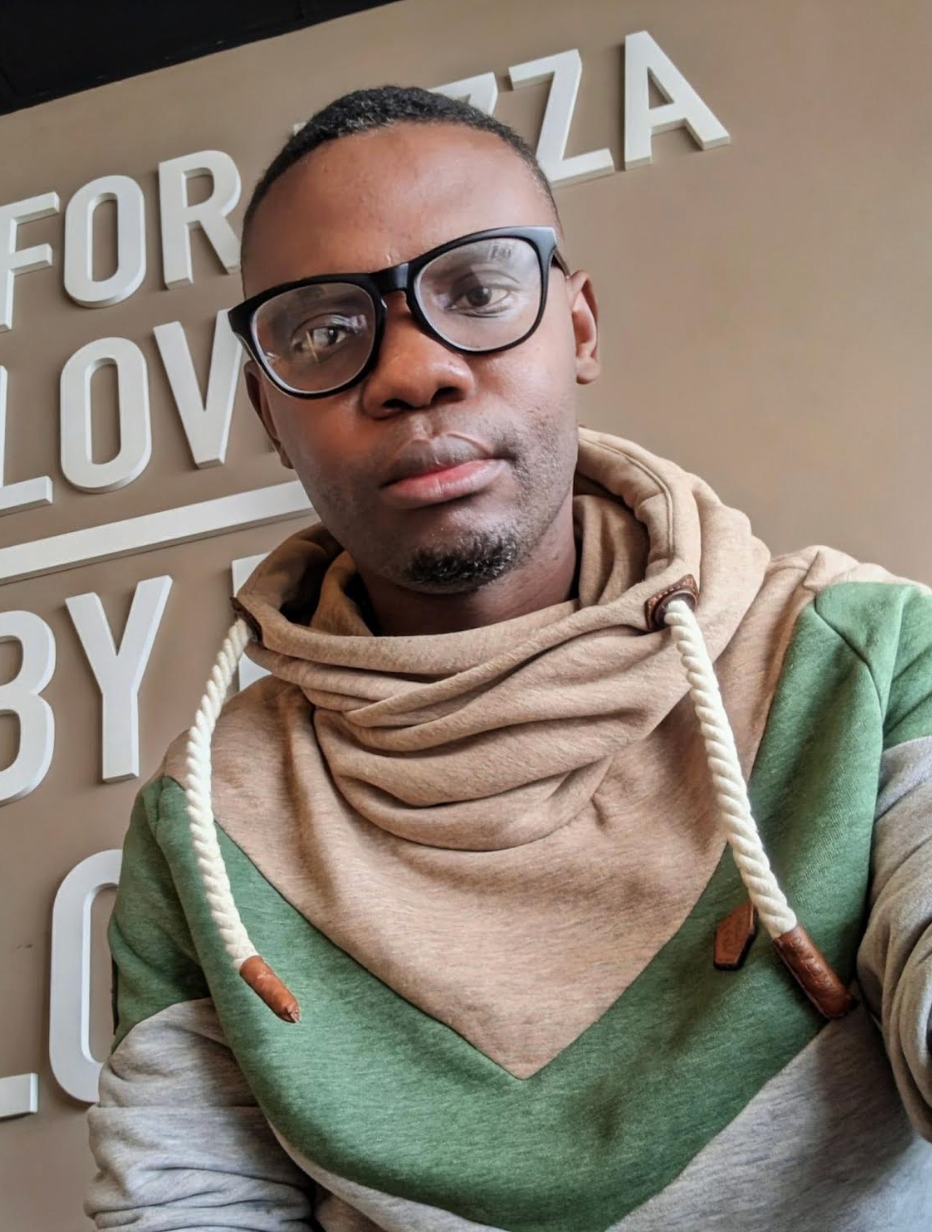
Hajanika's essay, "Carrying Her," appears in Issue 44.3.
What inspired your piece?
My mother. The realization that years after her death I was still carrying things I had never properly said: guilt, anger, tenderness, memory, and questions about what it actually means to lose someone. I wasn't interested in writing a clean story about grief or recovery. Many people have written about that already. I wanted to write from the familiar place where grief remains unresolved but has somehow become part of daily life.
Tell us about a book or writer that influenced your work in this issue.
Terence McKenna has influenced the way I think and look at the world, although perhaps not in the obvious literary sense. What stays with me is his willingness to follow an idea into strange territory and to take the human experience seriously as mystery. My fiction and nonfiction are very different from his work, but that permission to remain curious has stayed with me.
Was there a particular image, memory, or line that became the entry point for this work?
The name Nasilele. It means, depending on the translation, “we have cried” or “we have mourned” in Lozi. I had grown up knowing the name without really thinking about what it meant. After suffering loss, it took on a different meaning.
What do you hope readers linger with after reading "Carrying Her"?
The people we lose do not necessarily become memories in the past tense. Sometimes they become ways of moving through the world. They survive in gestures, habits, anger, tenderness, language. I hope readers leave thinking about whom they are carrying.
How do place and geography shape your writing?
Enormously. I write, unapologetically, about and from Zambia, and place for me is never simply scenery. In this piece, Lusaka and my mother's village represent different claims upon the same person. Her body is buried here in Lusaka; the remains of her chitenge are buried there, in the land she grew up in.
Was there a specific challenge you encountered while writing this?
Resisting the temptation to redeem myself. There is a version of this story in which I explain why I wasn't there when my mother died, forgive myself, extract a lesson and give the reader closure. But I don't have that closure. I know intellectually that I was not responsible for her death. I also know that part of me is still walking toward that house at dawn, realizing too late what has happened.
How does community influence your work?
I come from a place where the individual is never entirely an individual. Family, clan, tribe, village, neighbourhood, language and history are always making claims on you. "Carrying Her" demonstrates that quite literally: even the question of where my mother should be buried became communal. Community can hold us, but it can also complicate grief, identity and belonging.
What does it mean to you to appear in
Callaloo?
It means a great deal. I am a Zambian writer writing from Zambia, and this piece is about my mother, my family and my experience of grief. To have that intimate piece enter the much larger literary conversation that
Callaloo has sustained is both humbling and deeply meaningful to me. It feels as though something that began in an intensely private place has been allowed to travel.
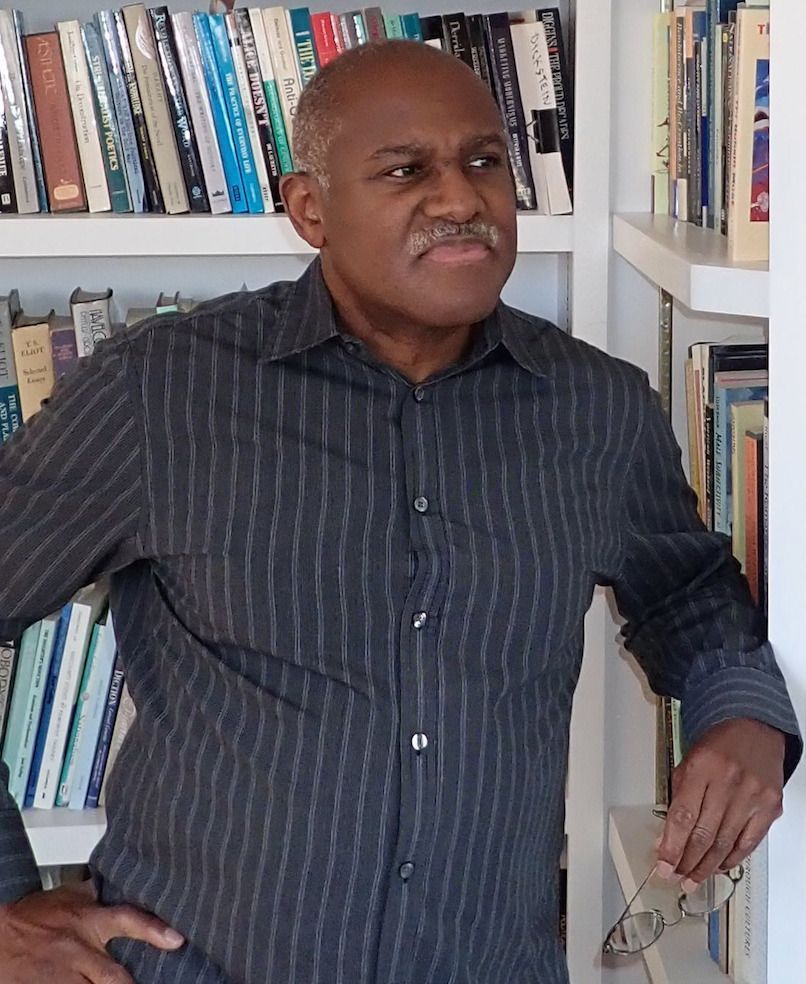
DOUGLAS HAJANIKA, self-identified Psychochute, is a Zambian writer whose work explores grief, consciousness, identity, politics, and the often-unexpected connections between personal experience and larger social questions. His writing moves across fiction, nonfiction, and literary experimentation, with a particular interest in how place, history, and memory shape the inner life. He lives and writes in Zambia.